

 Back to Blogs
Replacement Window Styles: A Homeowner’s Guide
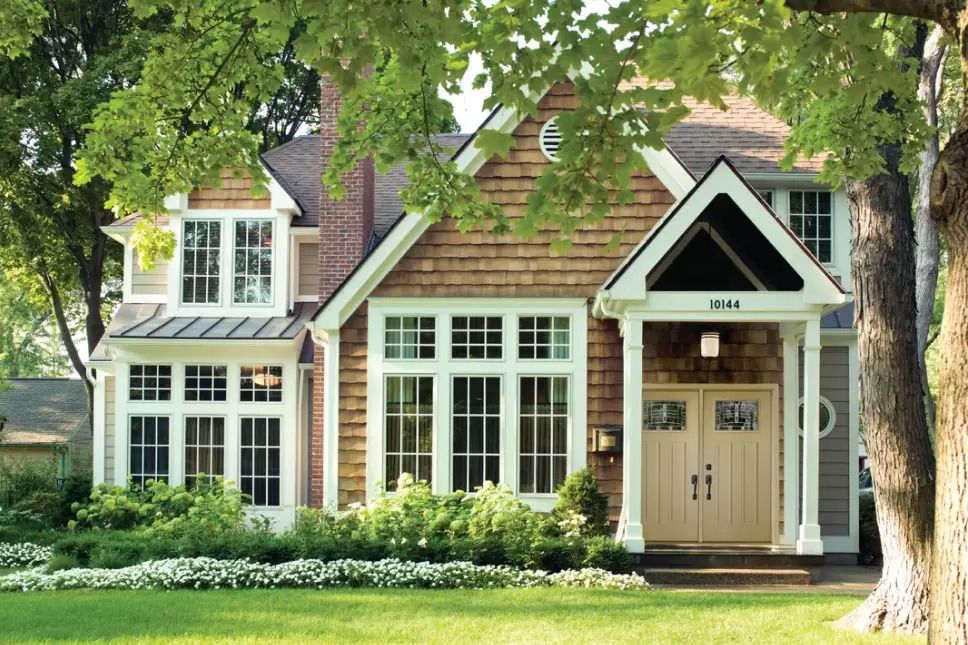
Replacing windows involves more than choosing glass packages, colors, and energy-efficient features. The way a window opens, and whether it opens at all, affects ventilation, cleaning, views, furniture placement, and how the window functions from day to day.
Understanding common window styles can make the selection process much easier. Double-hung, casement, sliding, picture, bay, bow, and garden windows each offer different advantages depending on the room and how the window will be used.
For homes around Asheville and Western North Carolina, architectural style and surroundings can influence the decision, too. We'll take a closer look at popular replacement window styles, how they operate, where they work best, and what to consider when choosing among them.
How to choose a window style
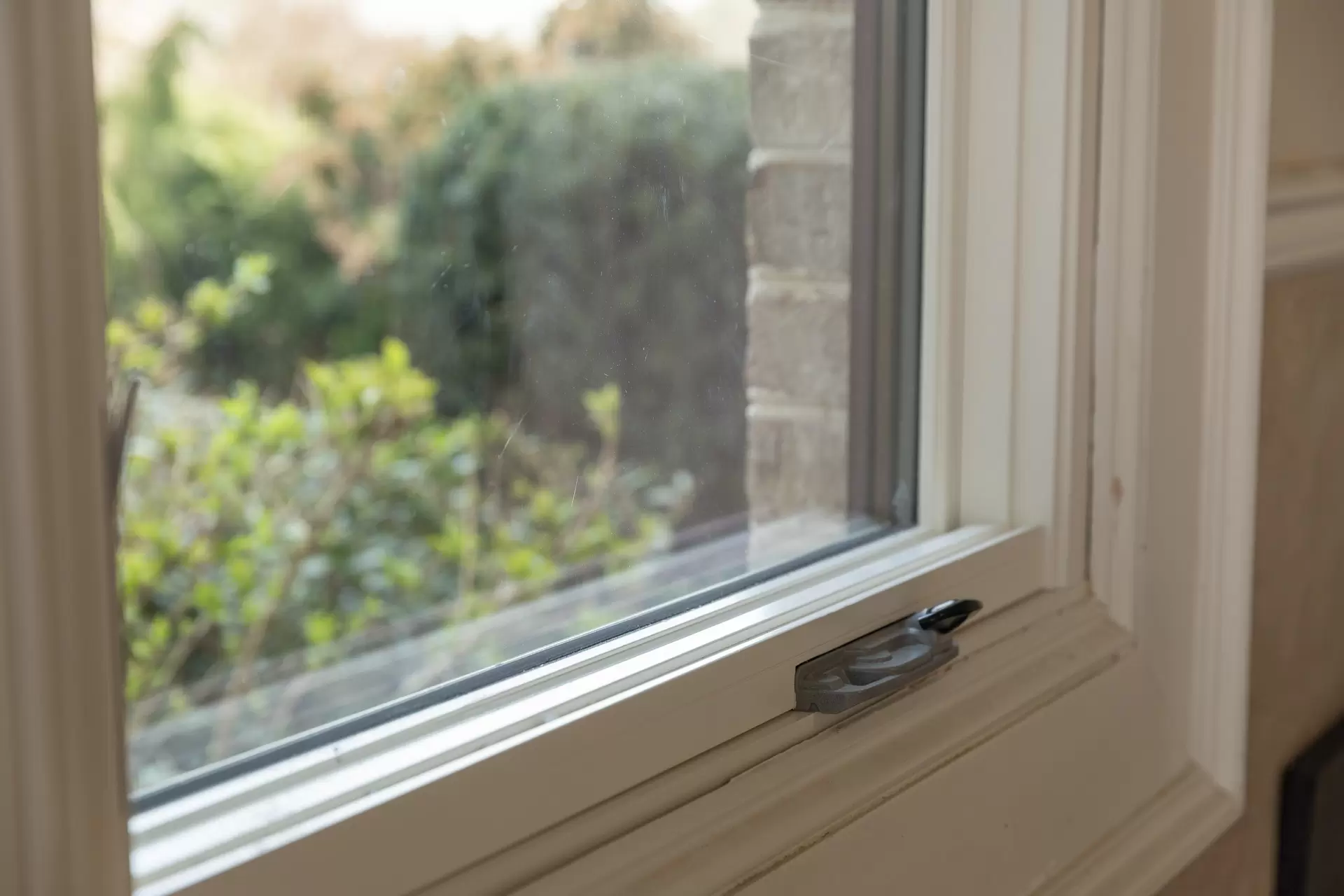
Before comparing the different types of windows, consider how each opening needs to function. Ventilation may be a priority in a bedroom or bathroom, while a living room overlooking the mountains might call for a larger expanse of glass and an unobstructed view.
Operation matters, too. Think about whether there's enough exterior clearance for a window that swings outward, whether the opening will be easy to reach, and how the glass will be cleaned. Natural light, energy efficiency, room layout, and the home's architectural style can also help narrow the choices. Budget is worth factoring in early as well, since size, style, and glass package all affect window replacement cost.
Considering these practical details first makes it easier to compare replacement window styles based on how they'll actually be used.
Common window styles and where they work best
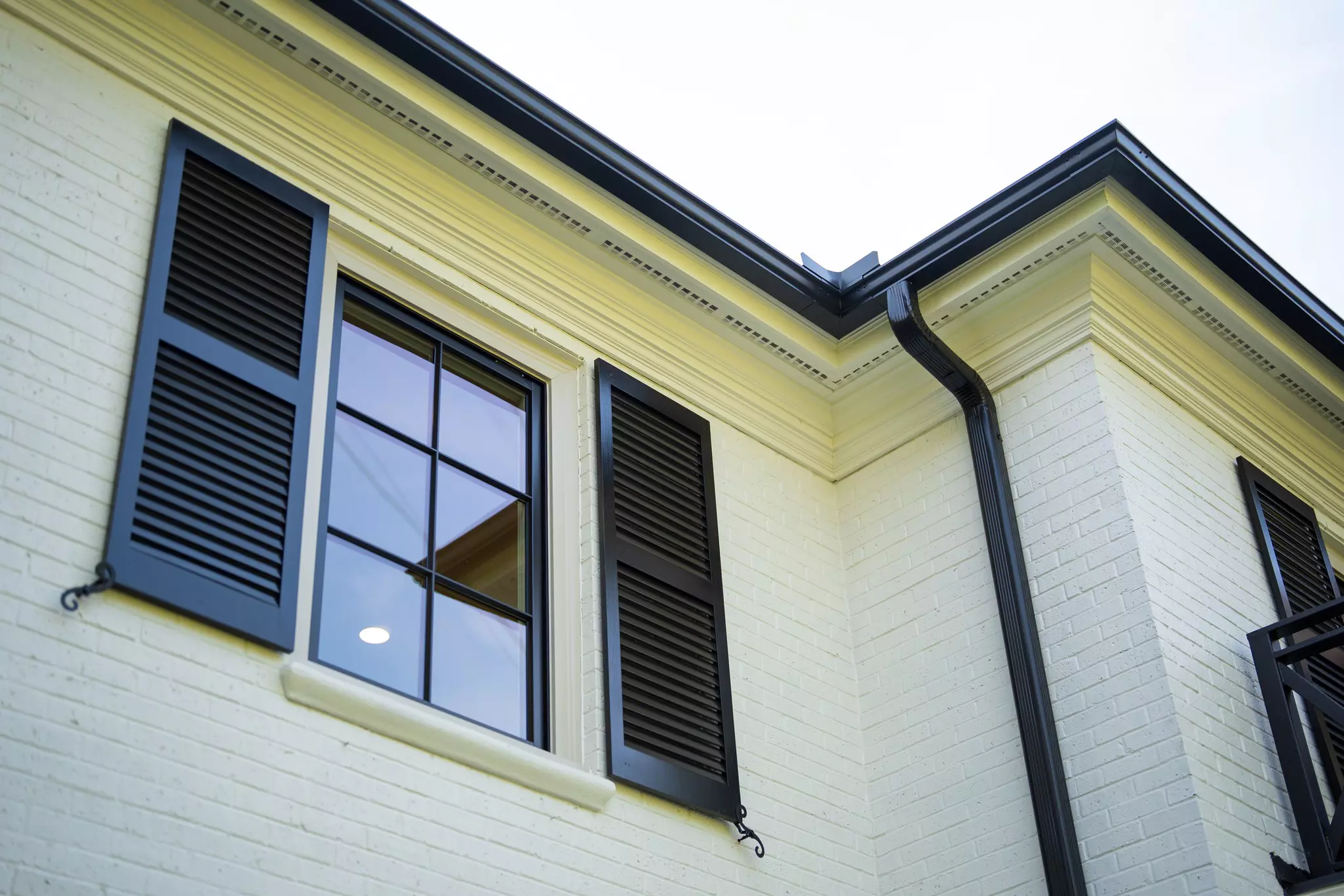
Replacement windows come in a range of configurations designed for different spaces and purposes. Some prioritize ventilation and easy operation, while others maximize views, natural light, or architectural interest.
Double-hung windows
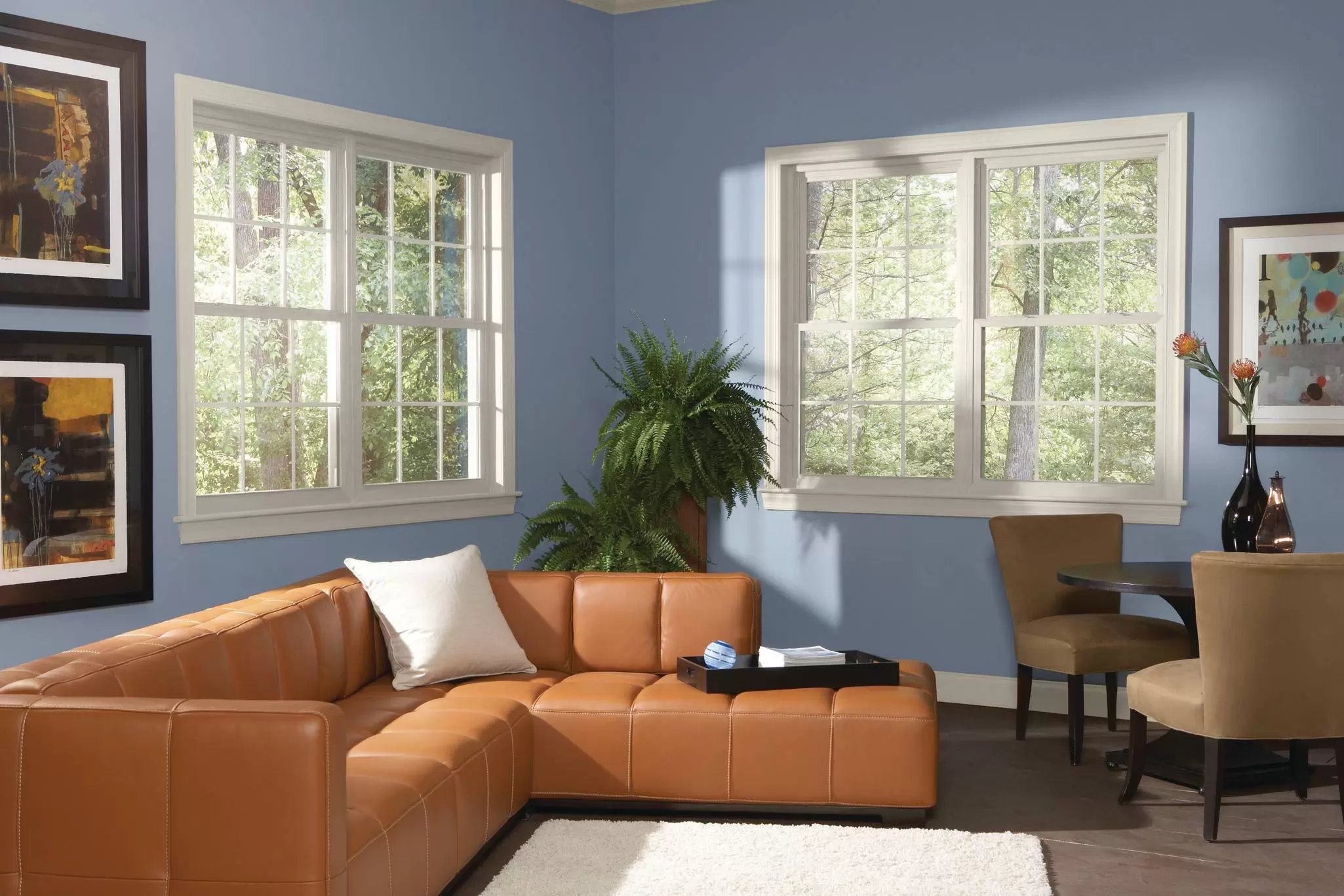
Double-hung windows have upper and lower sashes that move vertically, allowing the opening to be adjusted from either end. Opening both sashes can provide flexible ventilation, while tilt-in designs make exterior glass easier to clean from inside the home. Their traditional proportions also complement many architectural styles.
Casement and awning windows
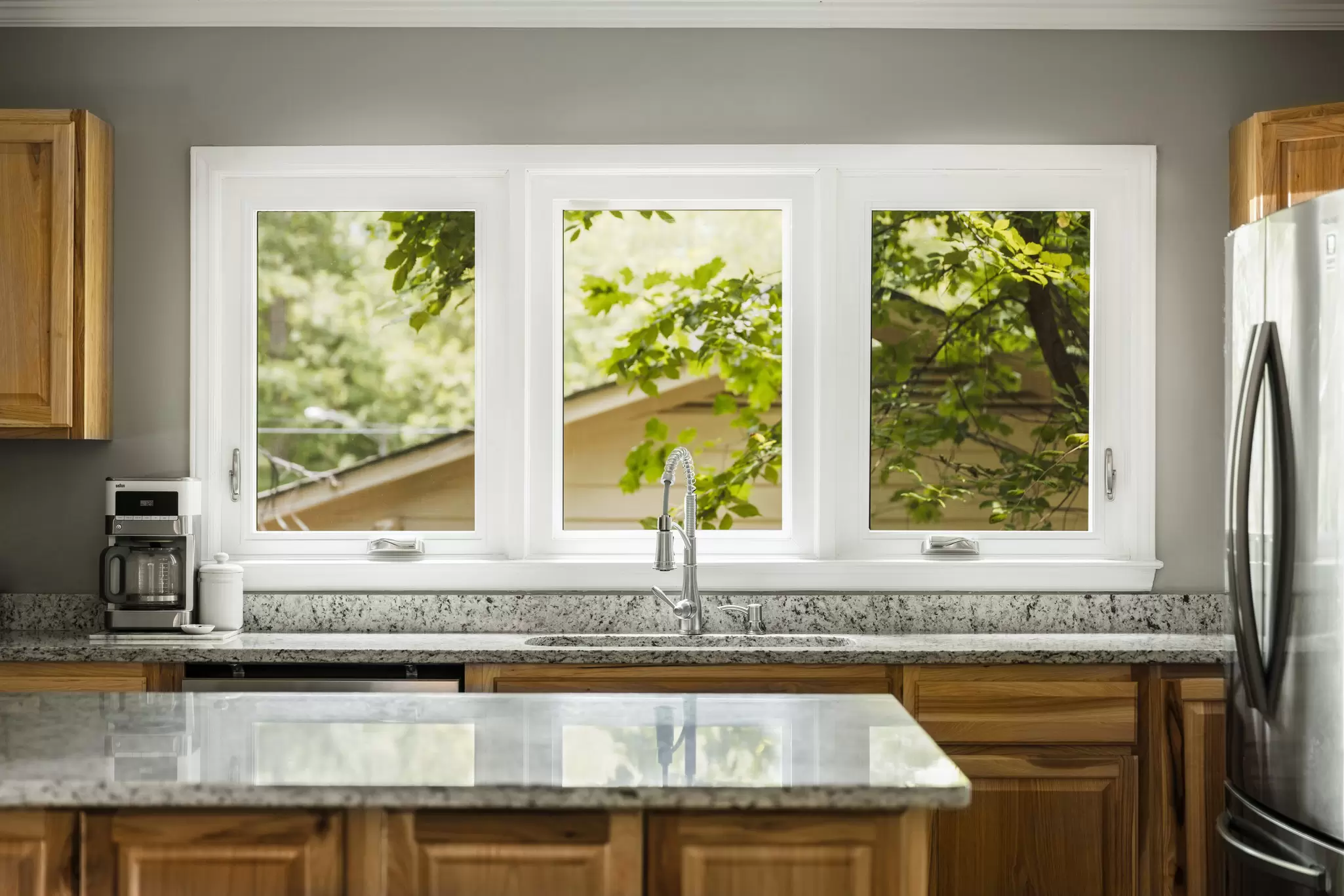
Casement windows are hinged along one side and swing outward, generally with a crank or handle. Awning windows are hinged at the top and open outward from the bottom. Both provide ventilation and can work well above kitchen sinks, in bathrooms, or in other areas where reaching a traditional sash may be inconvenient.
Sliding windows
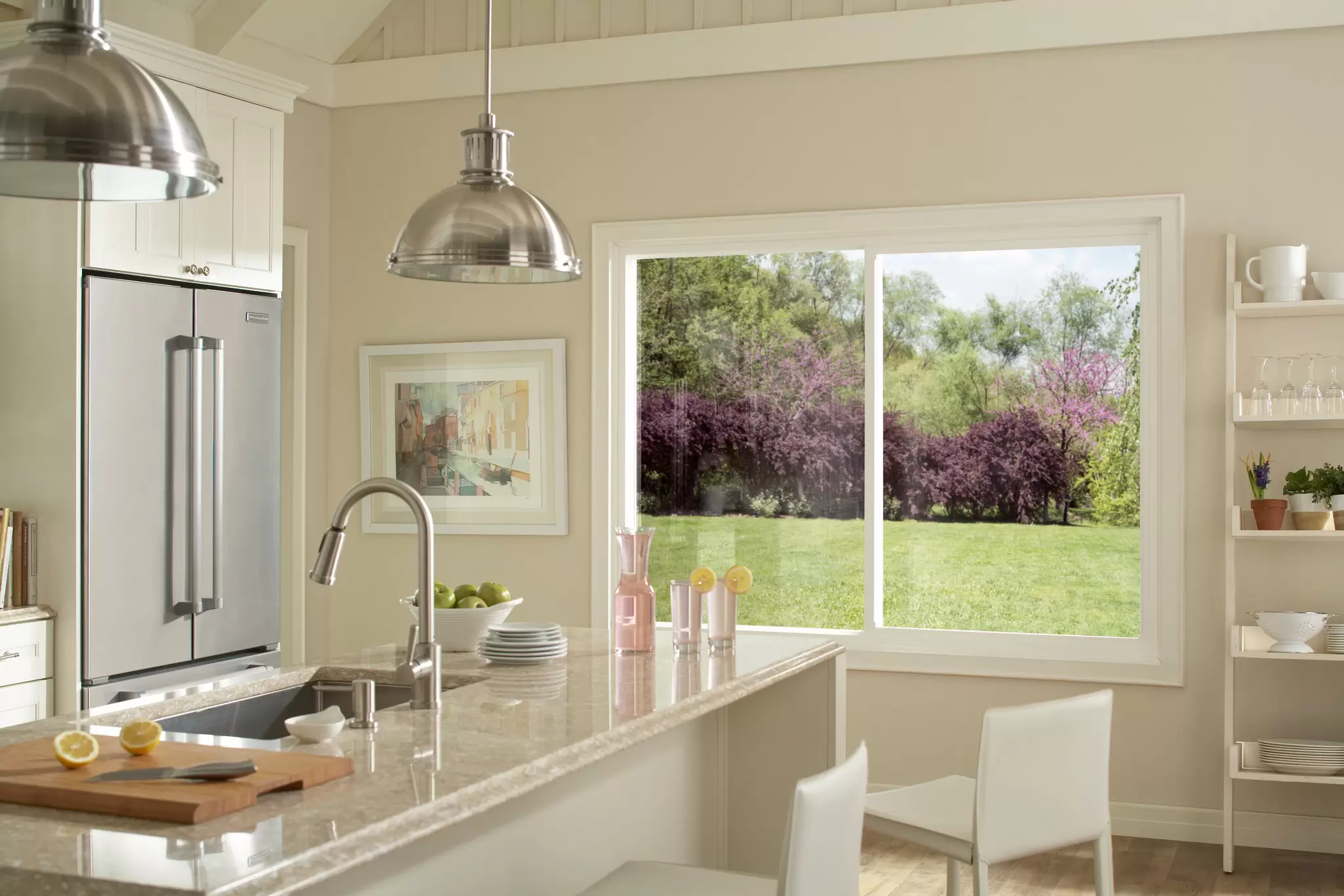
Sliding windows move horizontally along a track rather than opening inward or outward. Because the sash doesn't project outside, this style works well near patios, walkways, and porches. Sliding windows also suit wider openings and can provide generous views of wooded or mountain scenery around Western North Carolina.
Window styles that maximize views and space
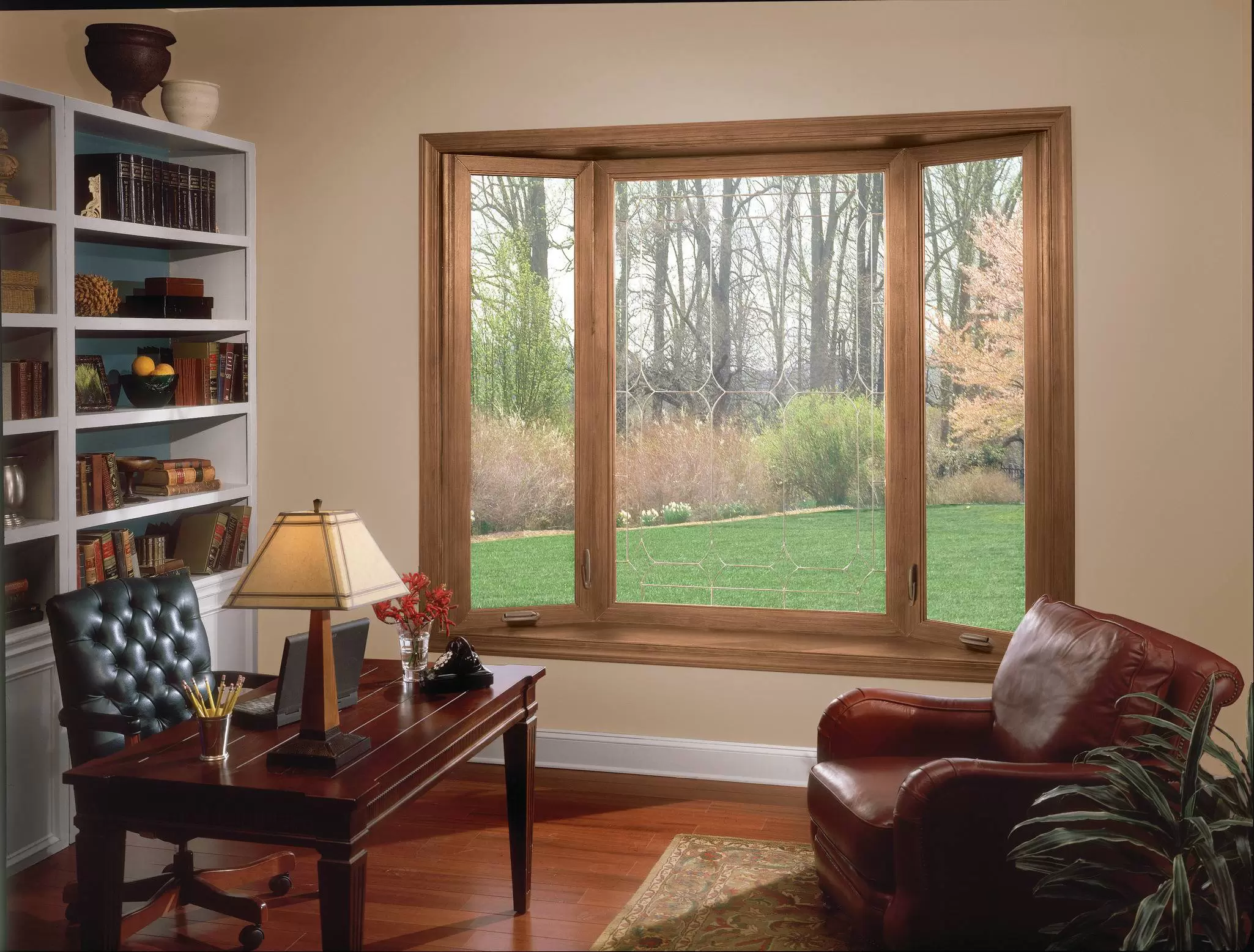
Not every window needs to prioritize ventilation. Fixed and projecting window styles can bring in more natural light, showcase the surrounding landscape, or create additional dimension inside a room. Options include:
- Picture windows: Picture windows don't open, allowing a large expanse of glass to provide natural light and unobstructed views. They work well in rooms where ventilation is available elsewhere and can also be paired with operable windows. For homes with scenic surroundings, this style can make the landscape part of the room's design.
- Bay and bow windows: These windows project outward from the home, adding depth to the interior and exterior. Bay windows commonly use three sections arranged at angles, while bow windows typically incorporate four or more sections for a gentler curve. Both can increase natural light, expand the view, and create an interior ledge or nook.
- Garden windows: Garden windows project beyond the exterior wall on a smaller scale. Glass on the front, sides, and top creates a bright display area often used above kitchen sinks for herbs, plants, or decorative items. Proper placement and installation are important because the window extends beyond the wall.
The right style depends on the available space, desired view, and how the room will be used. Each option provides a different way to bring more light or dimension into the home.
Specialty windows add architectural interest
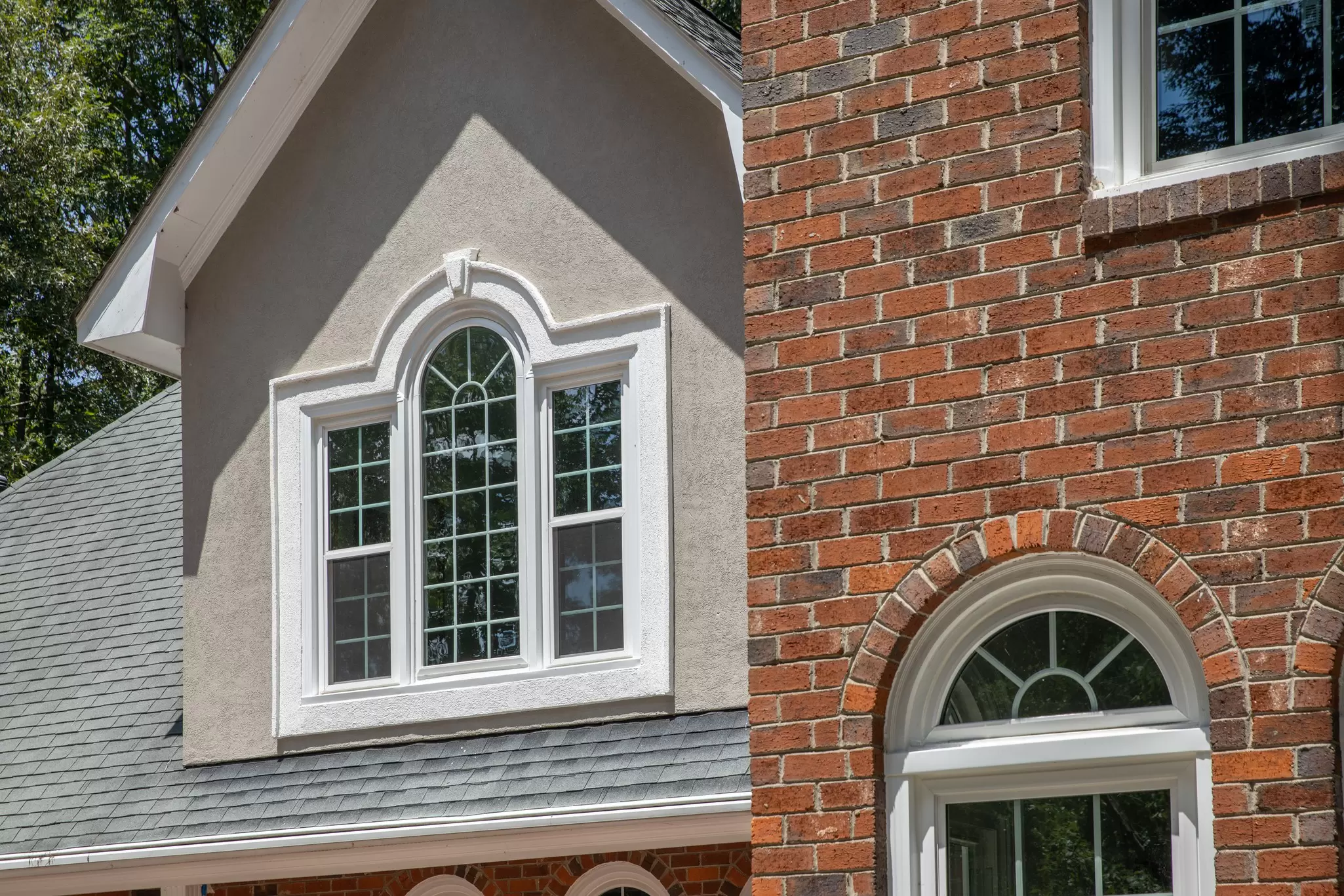
Not every window opening needs to follow a traditional square or rectangular shape. Specialty and architectural windows can include arches, circles, triangles, and other configurations designed to fit distinctive spaces or add character to a home's exterior.
These windows are often paired with more traditional styles rather than used throughout an entire home. A specialty shape above a picture window or other larger opening, for example, can bring in additional light while creating a distinctive architectural detail.
Choosing between casement and double-hung windows
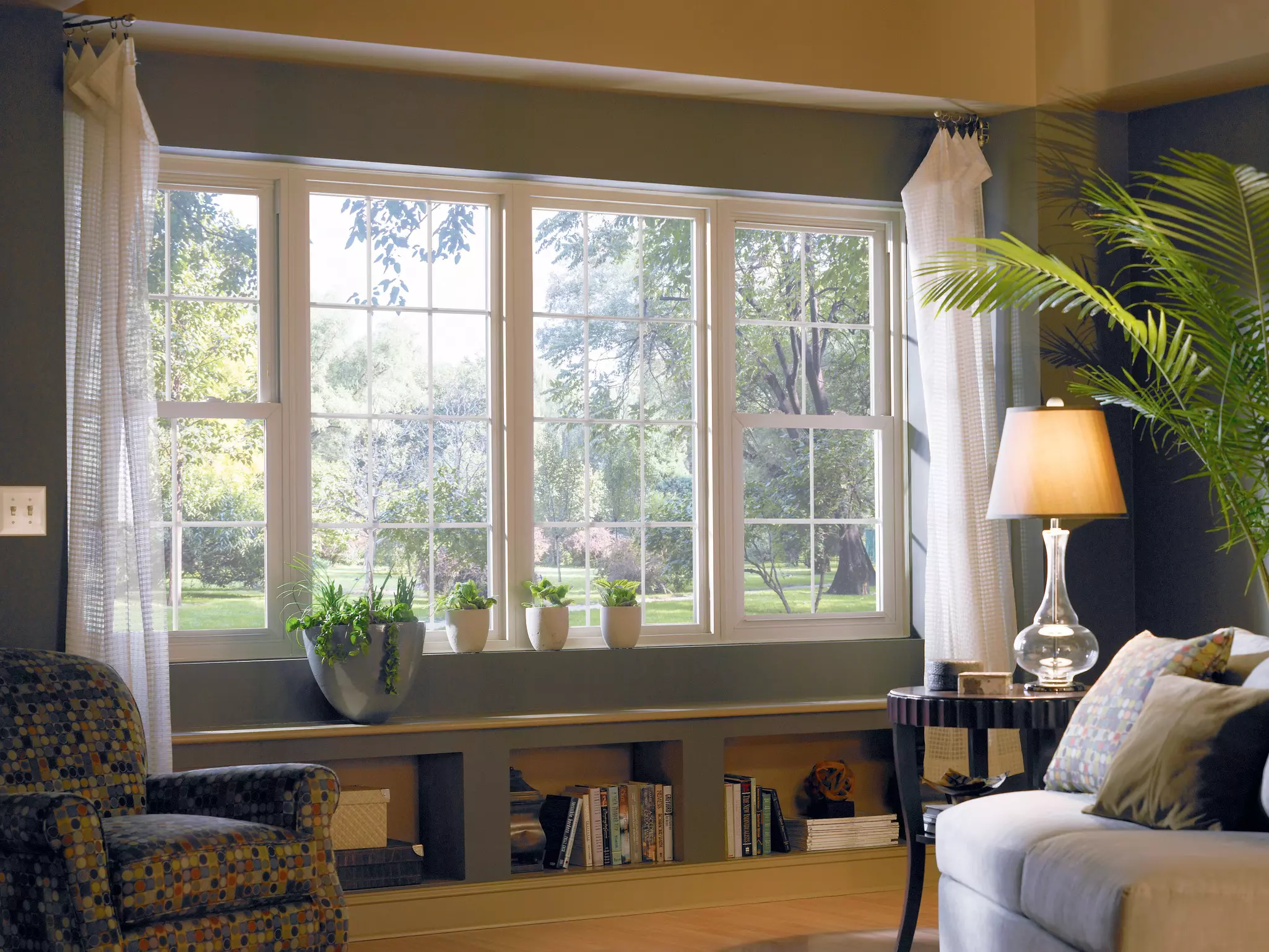
Casement and double-hung windows are both versatile replacement options, but their different operating styles can make one more practical for a particular location. Casement windows swing outward and provide a broad opening for ventilation, while double-hung windows offer familiar vertical operation and airflow from two movable sashes.
Room layout can help narrow the choice. A casement window may work well above a countertop or sink where a crank is easier to reach. A double-hung window may be more practical beside a porch or walkway because no part of the window projects into the outdoor space.
Cleaning is another practical difference. Double-hung sashes tilt inward so both sides of the glass can be reached from inside the home, while a casement window is usually cleaned by opening the sash and reaching around it.
Match window styles to each room
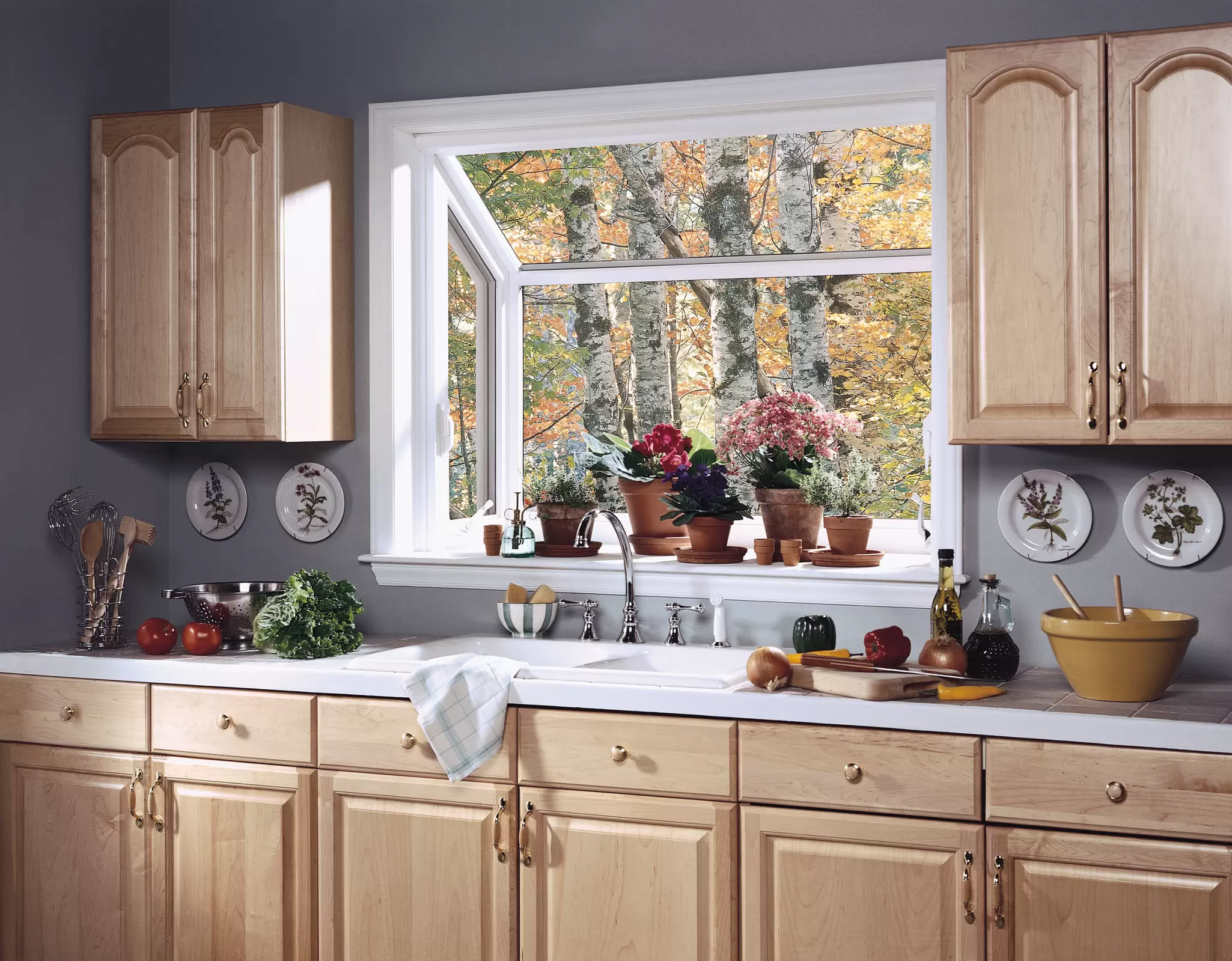
A whole-house window replacement doesn't require using the same operational style everywhere. Different rooms often benefit from different configurations based on ventilation, available space, views, and everyday use.
Picture, bay, or bow windows can emphasize views and natural light in living and dining areas, while casement or garden windows can work well above a kitchen sink. Awning windows offer ventilation in bathrooms, and double-hung or sliding windows can provide practical options for bedrooms, with applicable egress requirements kept in mind.
Consistent frame colors, grille patterns, and other design details can still create a cohesive appearance even when several window styles are used throughout the home.
Consider efficiency and frame material
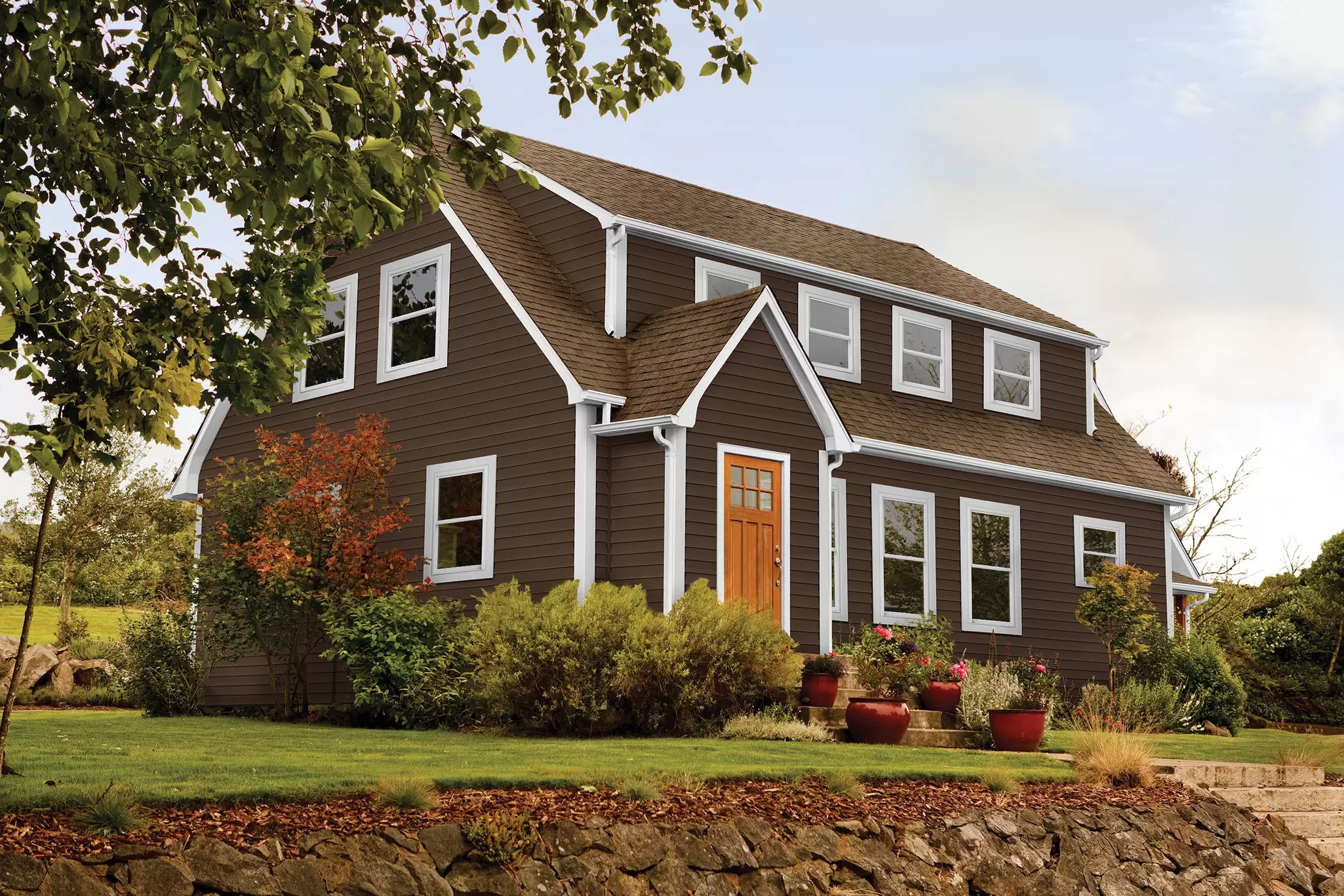
Window style is only one part of the replacement decision. Glass packages, frame construction, weatherstripping, installation quality, and other features also contribute to the performance of the complete window.
Energy-efficiency features such as Low-E glass and ENERGY STAR ratings can help homeowners compare options for our area’s changing seasons. Window World of Asheville offers energy-efficient vinyl replacement windows in a variety of styles, allowing homeowners to consider performance and design together.
Choose window styles that fit your home
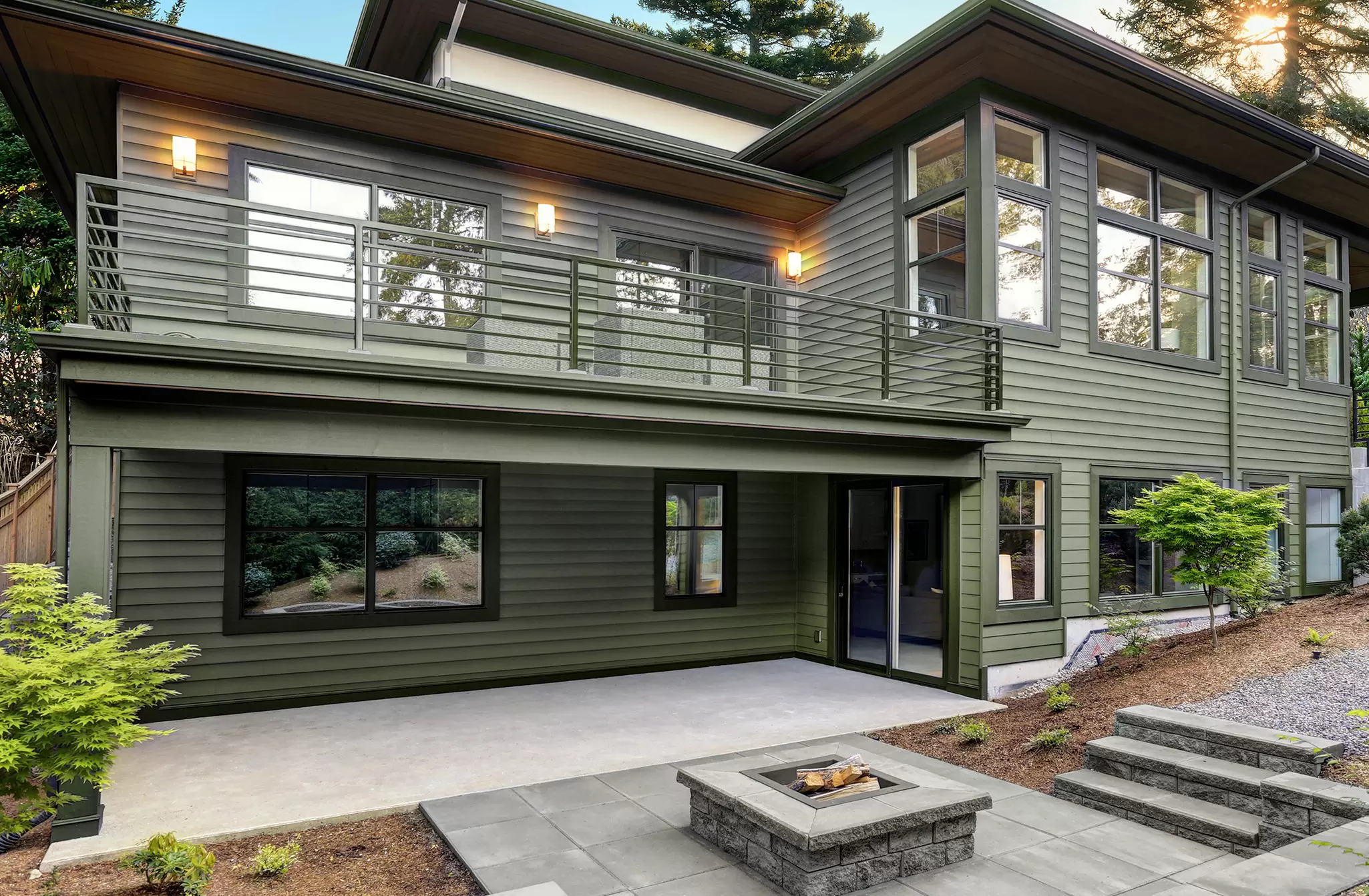
Choosing among the different types of windows starts with considering how each opening needs to function. Double-hung, casement, awning, and sliding windows offer different approaches to ventilation and operation, while picture, bay, bow, garden, and specialty windows can emphasize natural light, views, and architectural character.
The right combination will depend on the home's layout, architectural style, and everyday needs. Window World of Asheville offers energy-efficient vinyl replacement windows in a range of styles for homes throughout Asheville, Hendersonville, Arden, Waynesville, and surrounding Western North Carolina communities. Homeowners can learn more about available styles or request a free in-home or virtual quote.