

 Back to Blogs
All About Insulated Garage Door R-Values

When it comes to keeping your home comfortable and energy efficient, your garage door might not be the first thing you think about. But it actually plays a much bigger role than most homeowners realize.
If your garage feels like a sauna in summer and an icebox in winter, insulation – more specifically, your garage door’s R-value – may be to blame. Let’s take a closer look at what that number means, why it matters, and how to choose the right R-value for your home here in Asheville.
What is R-value for garage doors?
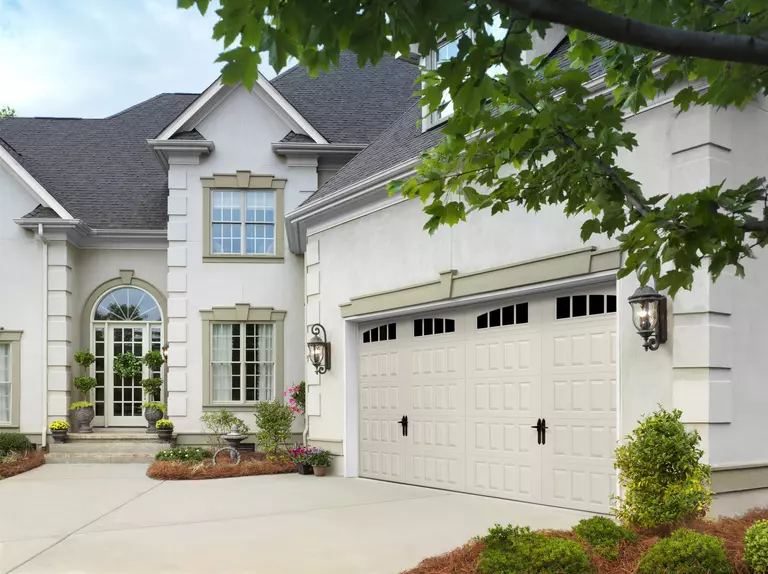
R-value is a measure of thermal resistance, or how well a material resists the flow of heat. The higher the R-value, the better your garage door insulates your space. In other words, a door with a high R-value helps keep outdoor temperatures outside and conditioned air inside, making your home more comfortable year-round.
As you research garage doors or examine their technical specifications, you might also see something called the U-factor, which measures heat transfer in the opposite way. A low U-factor means heat has a harder time moving through the material. Together, high R-value and low U-factor both signal excellent energy performance.
R-value varies depending on the materials and construction of your garage door. For instance, polyurethane foam insulation – which expands to fill every inch of the door’s interior – offers some of the highest R-values available. Polystyrene panels, by contrast, provide moderate insulation and come at a lower cost.
Still, any insulation is better than none. If your door isn’t insulated at all, you’ll likely feel that difference every time the weather changes.
How R-Value impacts energy efficiency
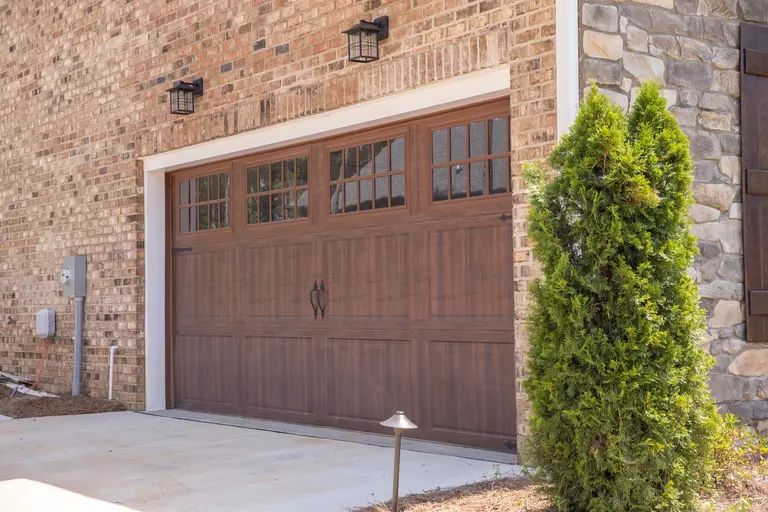
Simply put, R-value matters in a garage door because your garage acts as a bridge between your home’s interior and the outdoors. A poorly insulated door allows heat to move freely in and out, forcing your HVAC system to work harder.
An insulated garage door helps your home in several ways:
- It keeps the garage (and the rooms beside or above it) more comfortable through every season.
- It reduces temperature swings that can damage tools, vehicles, or stored items.
- Over time, it can even help lower your overall energy consumption, especially in climates like Asheville’s, where you see both hot, humid summers and chilly winters.
Think of R-value as an invisible layer of protection that makes your home’s temperature easier to control and your energy bills easier to predict.
Understanding insulation types and garage door construction
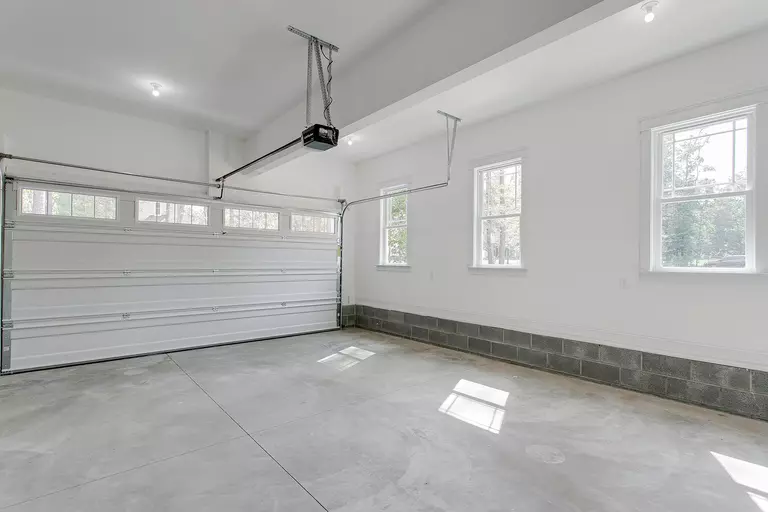
Of course, not all insulated garage doors are built the same. Both the type of insulation and the structure of the door determine its performance.
Polystyrene insulation is lightweight and affordable, giving you a moderate level of thermal resistance. Polyurethane insulation, on the other hand, is denser and offers a tighter seal, boosting both insulation and durability. Some models even use fiberglass insulation, which provides effective heat resistance and noise reduction, though it’s less common in certain residential garage doors.
The construction of the door itself matters just as much as the insulating materials. A single-layer steel door offers minimal insulation, while a double- or triple-layer door – which has insulation sandwiched between steel panels – provides greater strength, noise control, and higher R-values. If your garage is attached to your home or doubles as a workspace, investing in a multi-layer insulated door can make a noticeable difference in comfort.
What’s the best R-value for a garage door?
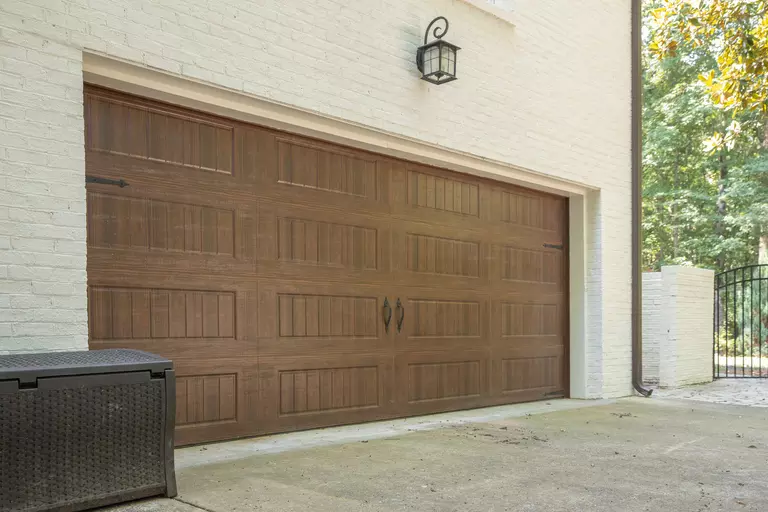
There’s no one-size-fits-all answer, but there are some good benchmarks to keep in mind:
- For detached garages or storage spaces, an R-value in the R-6 to R-9 range may be sufficient
- For attached garages, where temperature control impacts the rest of your home, aim for R-10 to R-13
- If you’ve converted your garage into a workshop, home gym, or hobby area, or if your garage is heated, look for R-14 or higher for maximum insulation
Beyond R-value: What else impacts energy efficiency?
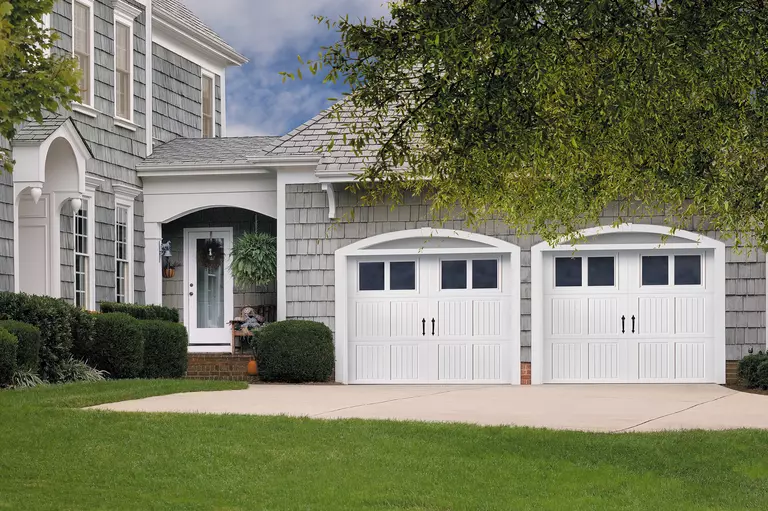
While R-value is very important, a few other factors also affect how well your garage door holds up against the elements. Proper weatherstripping and bottom seals help prevent drafts and moisture, while professional installation ensures a tight fit that keeps insulation performing as intended.
It’s also worth considering the quality of the door manufacturer. A high R-value won’t do much if the door is poorly constructed or installed. Window World of Asheville partners with trusted manufacturers who design garage doors tested for real-world performance so you get consistent protection against heat, cold, and noise.
The benefits of choosing an energy-efficient garage door
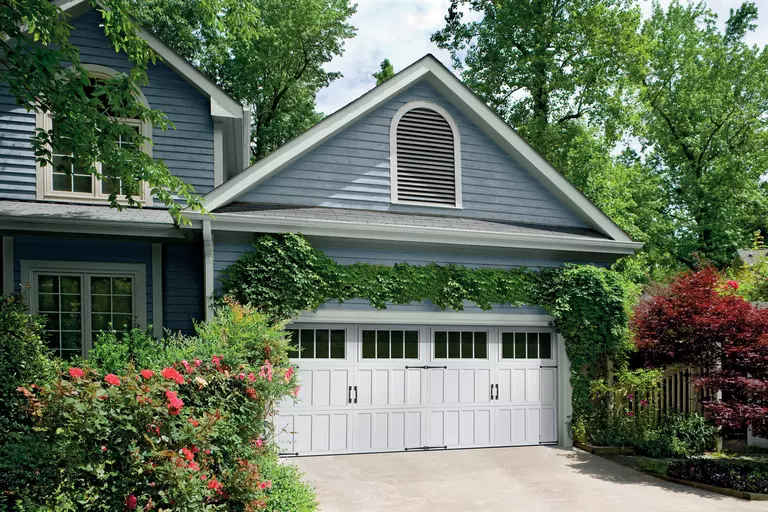
An insulated garage door does more than stabilize temperatures. It can also:
- Make your home quieter since it adds layers of insulating material between you and the streets outside.
- Provide more value to your home. Insulated garage doors last longer and are typically more durable, so an investment here could pay off for years to come.
- Boost your home’s curb appeal. Modern insulated doors come in a variety of finishes and panel styles designed to complement your home’s architecture.
And of course, there’s the practical side: lower energy costs, less wear on your HVAC system, and a garage that stays usable no matter the season.
Upgrade your garage door with Window World of Asheville
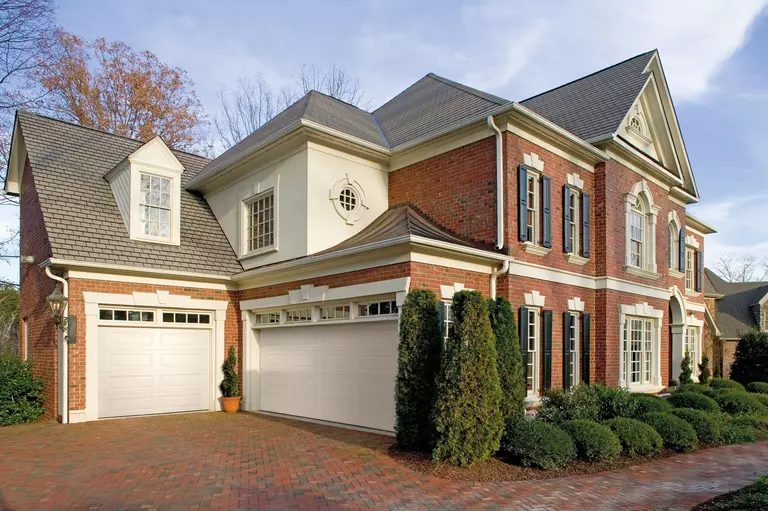
Whether you’re building a new home or replacing an older door, choosing the right insulated garage door R-value can make a big impact on comfort and efficiency.
At Window World of Asheville, we offer a range of polyurethane-insulated, energy-efficient overhead doors built to handle the region’s variable weather. Each of our doors is installed by experienced local professionals who take pride in doing the job right.
Ready to make your garage work smarter, not harder? Contact Window World of Asheville today to schedule a free, no-obligation quote and explore insulated garage door options that add both performance and peace of mind to your home.