

 Back to Blogs
How to Add Windows to Your House: Cost, Benefits, & Key Factors
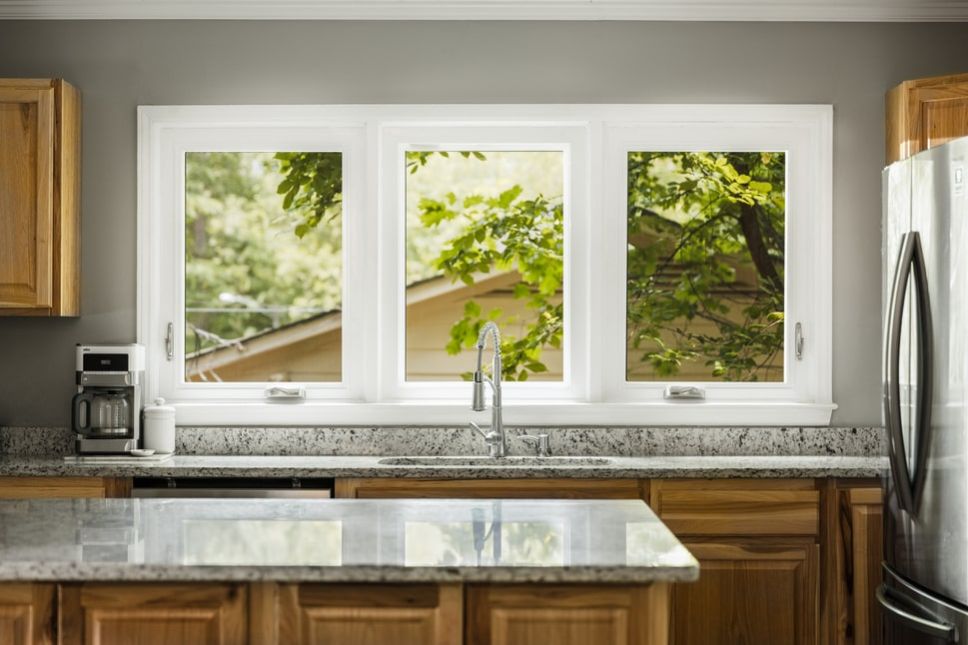
Adding windows to a house can be one of the most transformative upgrades a homeowner can make. Whether you're renovating an older home or updating a newer one with a few choice improvements, additional windows offer natural light, airflow, and aesthetic enhancement that completely change the experience of a space.
But like any structural modification, there are important considerations – from cost and logistics to design and building codes. This guide will walk you through everything you need to know about adding a window to your house, how it’s done, what it costs, and why it’s worth considering. Let’s dive in!
Can you add a window to a house?
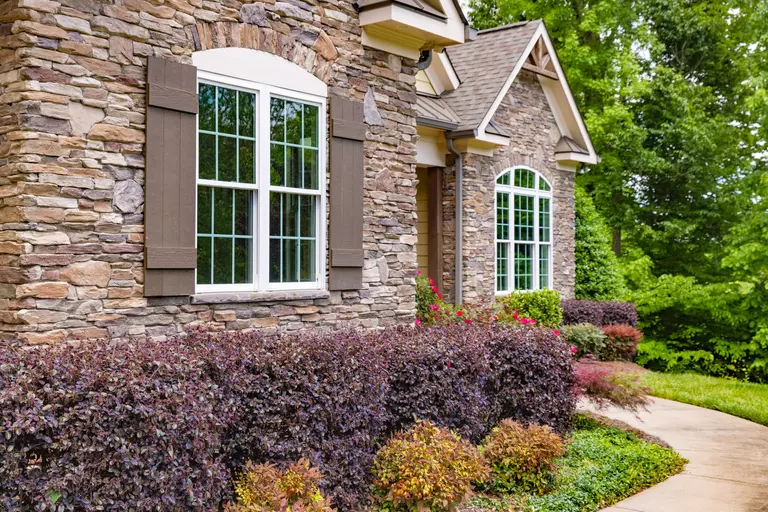
You can absolutely add windows to your house, even if a given wall is currently windowless or if a wall already has several installed. In fact, it’s a pretty common remodeling project!
That said, there are structural, legal, and design aspects to address before you start knocking through drywall. For example:
- Structural considerations. Exterior walls bear weight, so before cutting into them, a licensed contractor or structural engineer will need to assess the wall's load-bearing status and might need to reinforce it accordingly.
- Permits and codes. Most cities and towns require permits for window installations in existing walls. This ensures that any changes meet safety codes, especially for egress in bedrooms or minimum glazing requirements in living spaces.
- Placement and purpose. Think about what you want to achieve. Is it more light in a dark hallway? Cross-ventilation in a kitchen? Framing a beautiful view in the living room? In any case, your intent should guide the placement, size, and style of your new window(s).
How do experts add windows to existing walls?
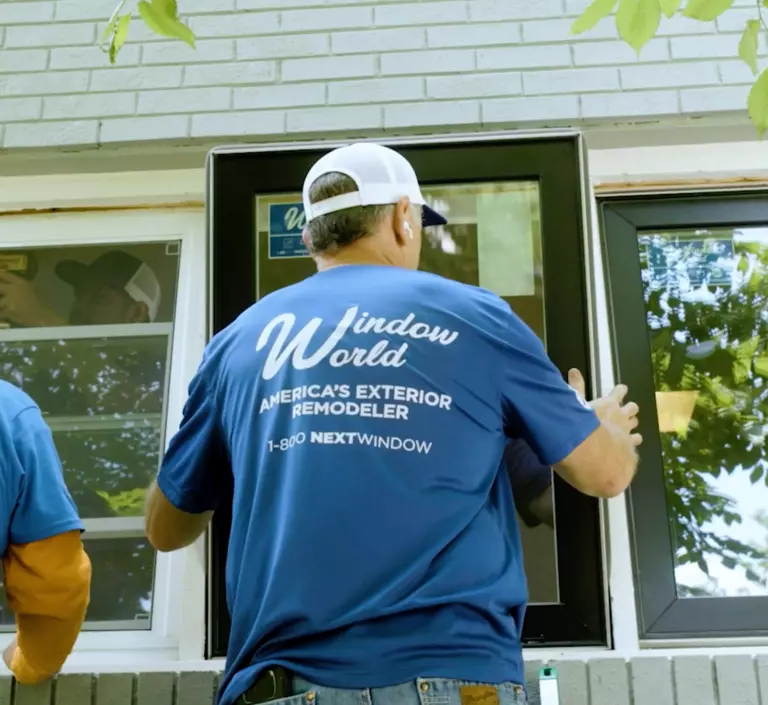
When you think about the necessary work to add a window to an existing wall, it’s easy to feel a little intimidated. But certified window installation professionals will follow a well-established process to ensure that the new window is secure, weatherproof, and aesthetically aligned with your home.
Here’s how the experts typically add windows to a house:
- Assessment and planning. First, a contractor assesses the wall structure, electrical wiring, and plumbing. Then they help you choose the best location and type of windows for your renovation.
- Framing evaluation. If the wall is load bearing, temporary support might be added while a new header is built to redistribute the load around the window opening.
- Cutting the opening. Once the framing is ready, the wall sheathing and drywall are cut away to create space for the new window.
- Installing the window frame. The contractor adds king studs, jack studs, and a sill to properly frame the window, ensuring it complies with local building codes. This is sometimes referred to as a “rough opening.”
- Window installation. The new window is installed, leveled, and flashed to prevent water intrusion.
- Insulating and sealing. Gaps around the window are insulated and sealed to improve energy efficiency.
- Interior and exterior finishing. Inside, drywall is patched, and trim is added. Outside, siding, stucco, or brick is repaired or replaced to blend with the existing facade.
Although the process is highly manageable for experienced professionals, it’s not recommended as a DIY project unless you have structural carpentry experience. Luckily, our local design consultants and installation professionals can help you with both finding the right windows for your needs and handling installation.
Benefits of adding windows to a house
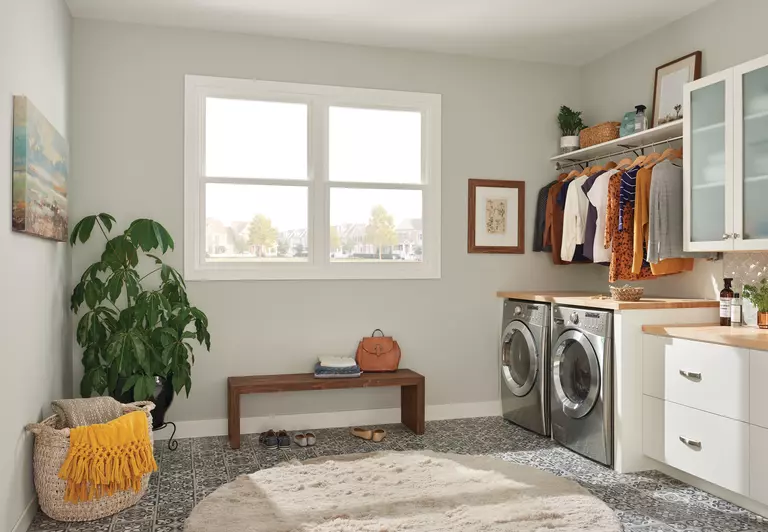
Installing new windows is a home improvement that boosts quality of life, property value, and curb appeal. Below are some of the key benefits you can expect when you add windows to your home.
Increased natural light
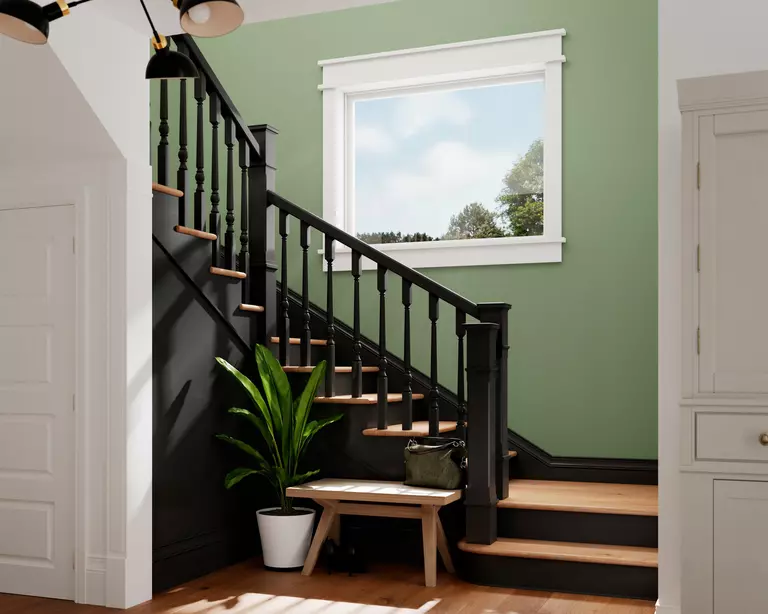
More natural light can dramatically enhance the feel of a room. It reduces your dependence on artificial lighting, boosts your mood, and even helps regulate your circadian rhythm. If you have dark corners, hallway spaces, or north-facing rooms, adding a window to the house can brighten them significantly.
Better ventilation and comfort
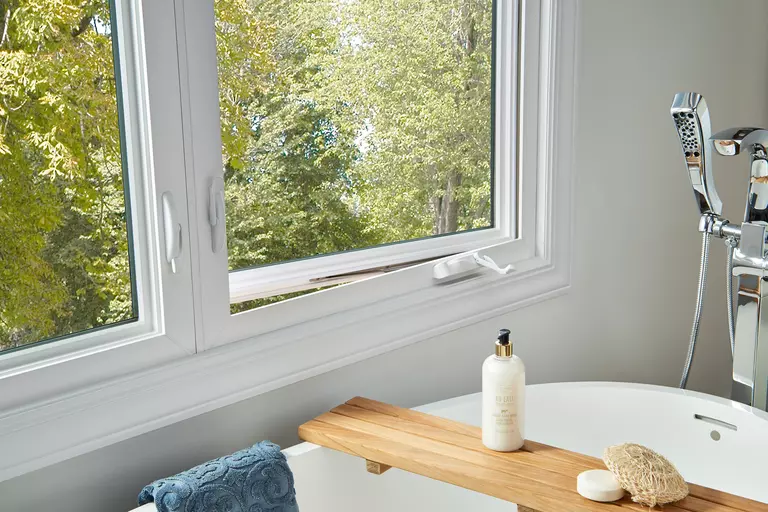
In spaces like kitchens, bathrooms, and bedrooms, airflow is crucial. Adding operable windows (like double-hung or casement windows) gives you control over indoor air quality and temperature. This can be especially helpful during certain seasons when you'd prefer fresh air to running HVAC systems all day.
Improved aesthetic appeal
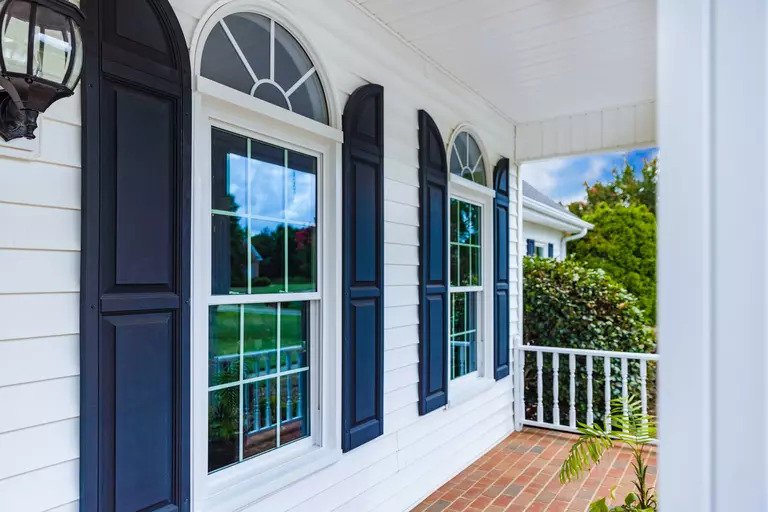
Adding windows improves your home’s interior and exterior aesthetics. From the inside, you can frame a scenic backyard or garden. From the outside, new windows can balance a home's facade, add symmetry, and modernize its appearance. The only limit is your imagination!
Higher resale value
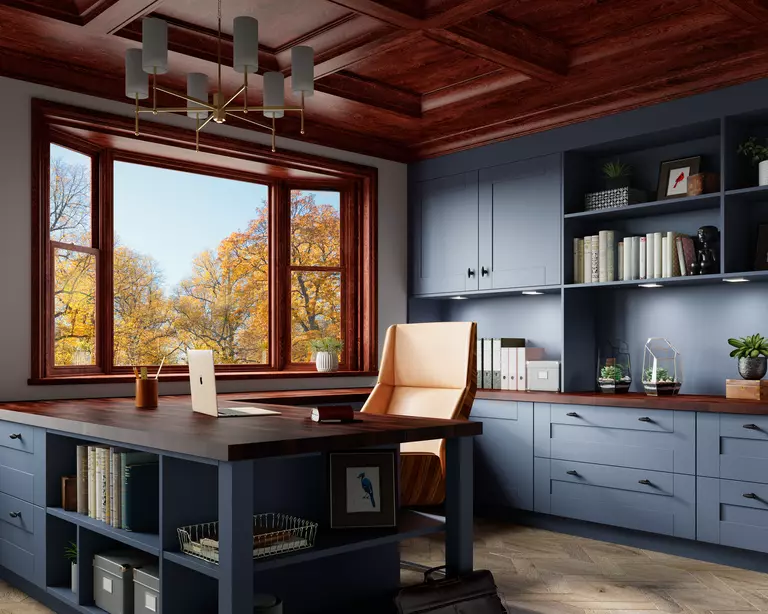
Prospective buyers see windows as a sign of a well-loved, thoughtfully upgraded home. It’s no surprise, therefore, that homes with plenty of natural light often sell faster and for higher prices. If you plan on selling your home one day, installing new windows now could pay off big time later.
Personal enjoyment
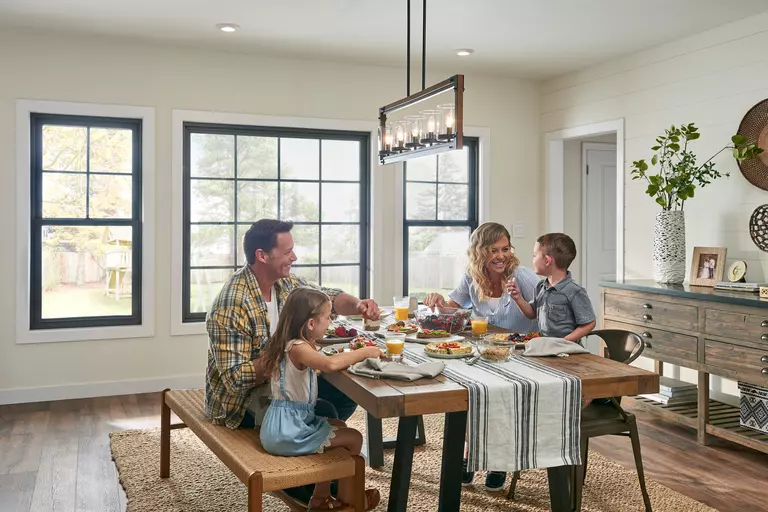
But perhaps the most important reward might just be the joy of looking through your new windows and delighting in the view. A strategically placed window within an existing wall turns a room into a retreat, a place for family, or the perfect bedroom.
Imagine sipping coffee with a view of the sunrise or opening the kitchen window to hear birdsong. Sometimes, subtle changes like these have the biggest emotional impact.
What is the cost to add windows to a house?
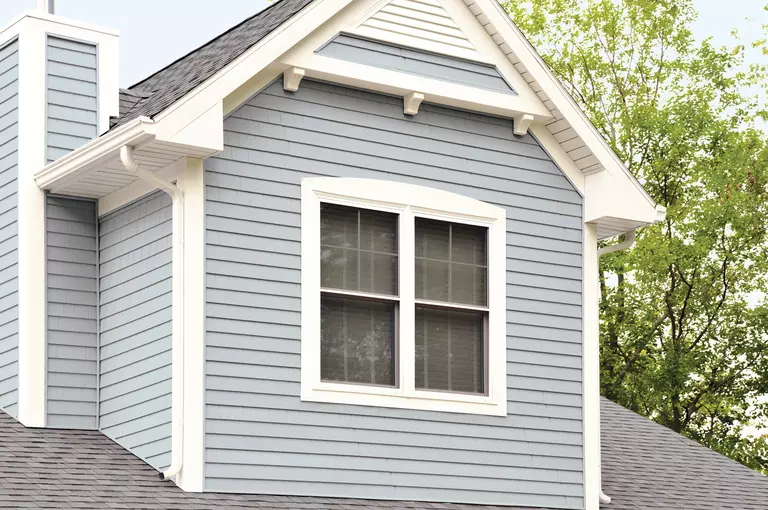
The cost to add windows to a house can vary depending on multiple factors, including materials and labor. Here’s what typically affects the final price:
- Size and type of window. From some manufacturers, a standard double-hung or casement window costs less than a custom picture window or bay window, for example.
- Wall structure. Installing windows in a non-load-bearing wall is cheaper than modifying a load-bearing one.
- Exterior materials. Brick or stucco exteriors require more labor and care than wood or vinyl siding.
- Permit requirements. Depending on your city, permits and inspections could add to the budget.
- Finishing and trim. Interior and exterior finish work, including drywall repair, trim carpentry, and painting, all affect the total.
In general, expect new window installation to cost anywhere between $1,500 and $20,600, with the average hovering around $5,800 per window.
However, keep in mind that new energy-efficient windows may qualify for federal tax credits or local rebates, which can help offset initial costs. In the long run, adding new windows to your home could “pay for itself” through long-term savings or property value.
Find the right windows for your home at Window World of Asheville
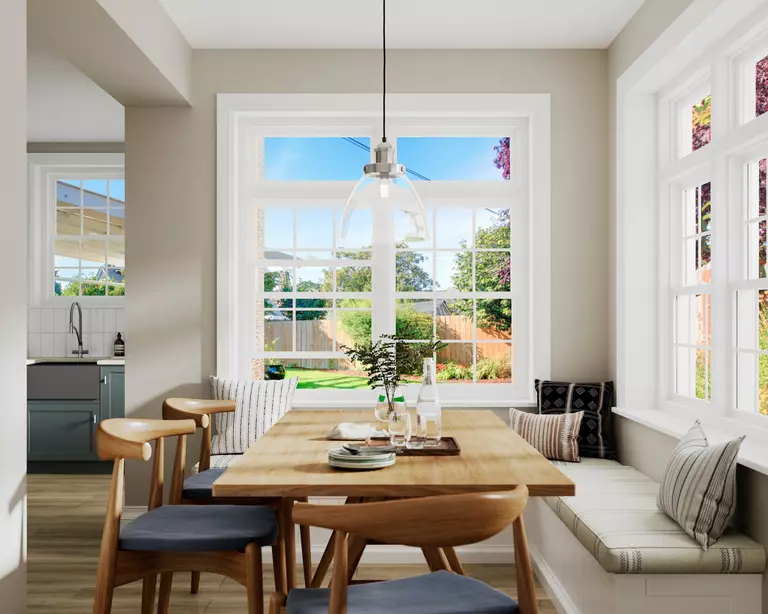
If you’re thinking about adding windows to your house, choosing the right windows is just as important as choosing the right remodeling company. That’s where Window World of Asheville stands out.
As one of America’s leading window replacement and installation companies, we offer a wide selection of durable, energy-efficient windows in every shape and style. Whether you’re adding a single window to a breakfast nook or several to your living room, our team of professionals can guide you through product selection, design integration, and expert installation.
Ready to get started? Request a free quote today or stop by our showroom in Arden, NC, to see our windows in person!
Frequently Asked Questions
-
Several variables affect the total project cost, including the size and type of window selected, whether the wall is load-bearing, the exterior material being cut into (such as brick, stucco, or vinyl siding), local permit and inspection requirements, and the scope of interior and exterior finish work such as drywall repair, trim, and painting.
-
Adding windows can improve your quality of life, increase property value, and enhance curb appeal. Other benefits include more natural light, improved ventilation and indoor air quality, better temperature control, and a more attractive interior and exterior aesthetic.
-
Increased natural light reduces dependence on artificial lighting, can improve mood, and helps regulate the body's natural circadian rhythm. Adding windows to dark corners, hallways, or north-facing rooms can significantly brighten interior spaces.
-
Operable windows such as double-hung and casement styles allow homeowners to control airflow and indoor air quality. These styles are particularly useful in kitchens, bathrooms, and bedrooms, where ventilation directly impacts comfort and humidity levels.