

 Back to Blogs
How to Keep Cold from Coming Through the Windows

When the temperatures drop precipitously outside, most of us are eager to rush indoors where it’s nice and warm. But what about when you close the door and take off your coat, only to find that your living room or bedroom still feels chilly?
The culprit might be your windows leaking cold air, which can do a number on your energy bill and make it nigh impossible to feel comfortable indoors. If you want to know how to keep winter’s icy bite outside, read on – we’ll explore how to stop cold air leaking through your windows now.
Common causes of windows letting in cold air

Windows aren’t supposed to let in cold air (or hot air in the summer), and they often seem like they’re sealed shut. So, what gives?
Cold air can leak through windows for a variety of reasons, such as:
- A window is improperly installed: If it’s not set into the frame correctly, there might be gaps for air to get through.
- A window is damaged or has a crack: Window damage might let in air, water, dirt, and even insects or other pests.
- A window is single-pane instead of double- or triple-pane: The more panes a window has, the harder it is for cold air outside to chill the surface and start cooling the air inside your home.
Generally, older windows are more likely to be susceptible to having cold air leak through. They’re more often made with just a single pane of glass, and the older a window gets, the more damage it can sustain. Even so, any window (of any age) could be behind cold air coming in, so if you feel a draft or chill, inspect every window in the room to find the problematic ones.
How to stop cold air leaking through windows

Once you’ve figured out which window or windows are drafty or need fixing, you can take matters into your own hands and stop letting cold air ruin your Asheville home’s toasty interior.
Try weatherstripping
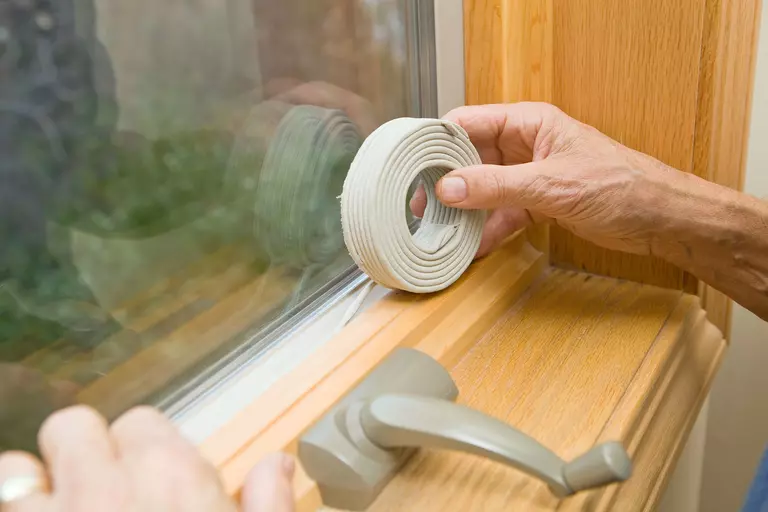
Weatherstripping is a useful fix for slightly drafty windows and doors that open and close often. Available in three types – compression, foam, and V-type – weatherstripping is easy to apply on the top, sides, or bottom of a window and can be found at most home improvement stores.
Whichever type you choose, apply your weatherstripping to the edges of your window and make sure the adhesive or fit is just right. With luck, this fix will quickly stop your window from letting in cold air, at least temporarily. If your window is very drafty or you want a more permanent solution, a new window might be necessary.
Seal cold drafts with caulking
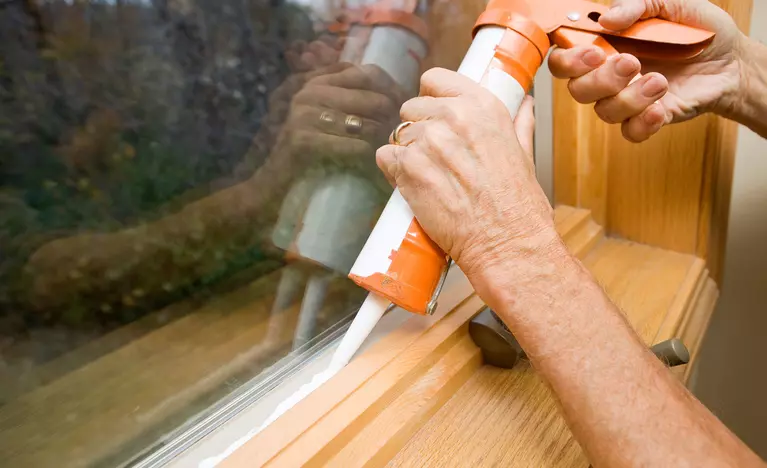
Caulk is another great tool for sealing up window drafts. Specifically, you should use it to repair cracks or holes in a window’s frame or surface. When applied carefully, caulk can last for years and help you save money throughout the winter.
Caulk and caulking guns can also be found at a home improvement store, and their application takes just a handful of minutes. Keep in mind, though, that caulk shouldn’t be applied to areas that may move later on, like your window’s sash or edges.
Hang thick curtains
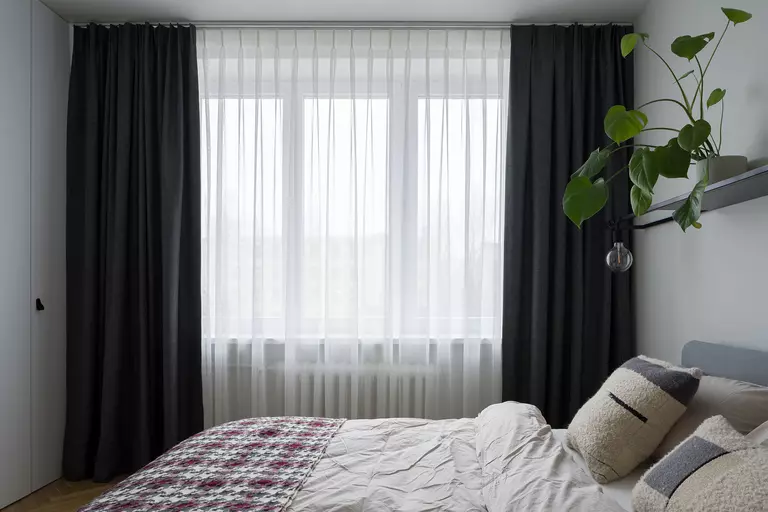
Curtains – especially thick, warm ones – aren’t just stylish window dressings. They can insulate your home from the wintery winds outside, too.
Hang curtains in front of drafty windows, then close them at night once the sun goes down. Any cold air sneaking in from outside will have to get past those curtains to chill your home, so it’s a great fix for larger windows that may feel colder than smaller ones. For instance, a large picture window might look even better with a set of aesthetically pleasing curtains, especially since it’s already energy efficient.
Replace problematic windows
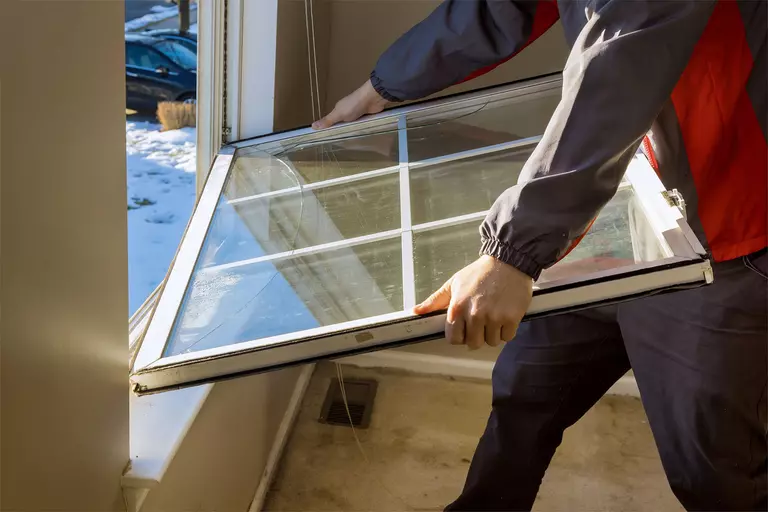
Of course, there’s only one way to truly stop cold air leaking through windows: replace the drafty ones with more insulating, energy-efficient windows.
Energy-efficient windows can save you hundreds per year on your utility bill. And if they’re installed correctly by knowledgeable pros, you won’t have to worry about feeling chilly drafts each time you walk by.
Beyond that, energy-efficient windows are stellar replacements for old windows because of their designs. Energy-efficient windows have two or three panes of glass, so they’re inherently more insulating than single-pane windows. More insulation means better protection from the cold this winter, a lower utility bill, and a warm, comfy home where you can wait out the winter weather.
Where to find winter-ready windows
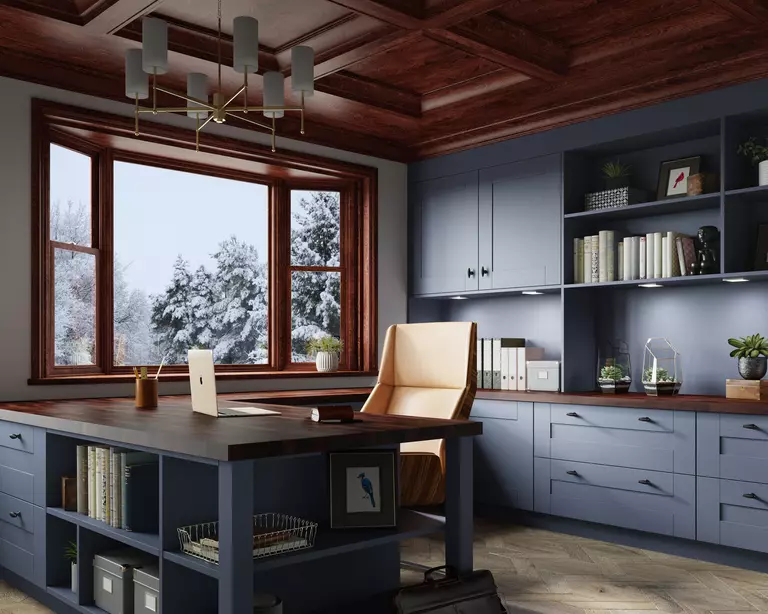
If energy-efficient windows are the best options for stopping drafts and keeping heat inside, you’ll want to find the best for your Asheville property. That’s where we can help.
Window World of Asheville has many distinct energy-efficient window types and styles. More importantly, we’re well-equipped to handle installation from start to finish, ensuring your new windows insulate your home and keep it toasty all winter long. Request a quote today or call us at (828) 684-6334 to get started!