
 Back to Blogs
How to Tell When Vinyl Siding Needs to Be Replaced
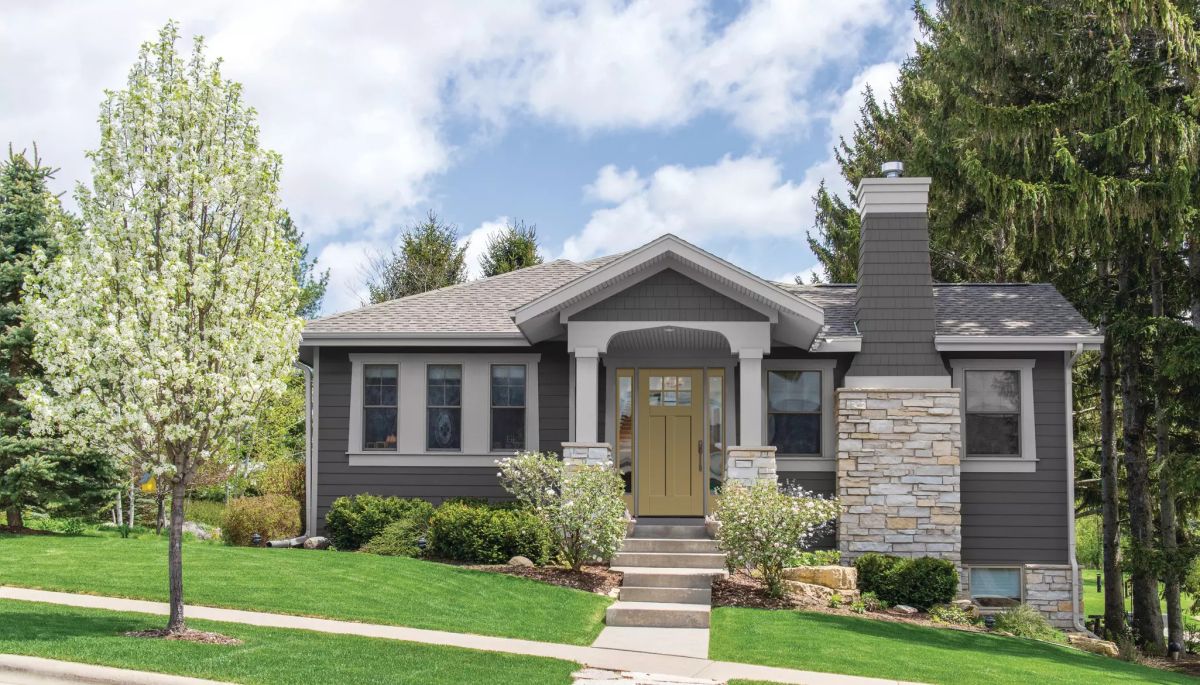
Your home's siding works hard all the time, especially during the warmest and coldest months of the year. It’s the bulwark between your walls and everything the weather throws at them, time after time. Odds are, you probably don't think much about it until something goes visibly wrong.
But by the time cracks, warping, or moisture damage are obvious, the siding has often been struggling for a while. If you've ever wondered how long siding lasts or when to replace siding on a house, you're not alone. Homeowners in the Asheville area face the added pressure of mountain weather, humidity swings, and pollen-heavy seasons that can accelerate wear. Here's a look at how long vinyl siding typically lasts, the warning signs worth paying attention to, and how to tell when repair isn't enough.
How long should vinyl siding last?
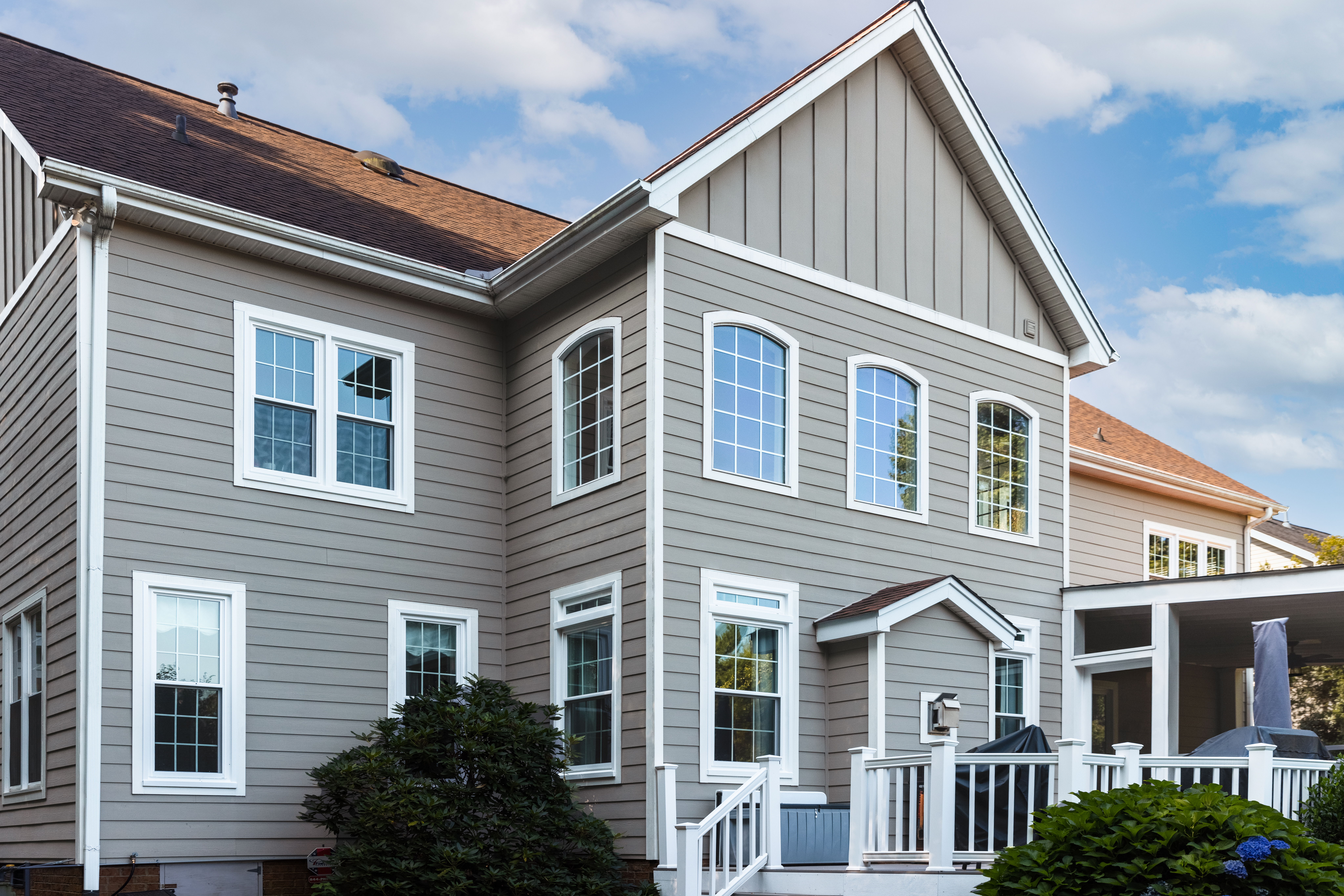
The average lifespan of vinyl siding can vary widely, depending on how well it was installed and maintained over the years. Small issues that go unchecked can shorten how long siding lasts, which is why it’s important to recognize when it may be time to replace it with a more durable, high-quality option.
Here’s a breakdown of how long different siding types last:
- Quality vinyl siding typically lasts 20–40 years (and up to 50 with a high-quality product and proper care)
- Wood siding runs a bit shorter, averaging 20–30 years, with lifespan heavily influenced by moisture exposure, maintenance frequency, and climate
- Fiber cement siding, like our ASCEND® Composite Cladding, tends to last 30–50 years, depending on installation quality and weather conditions
- Lower-grade materials – think thin vinyl, older aluminum, or “budget” engineered wood – vary more widely and often fall short of those ranges
Even though vinyl siding is built to last, regular inspections are key. Exposure to UV rays, storms, and fluctuating temperatures – all common in the Asheville and Western North Carolina climate – can shorten its lifespan, so it’s important to monitor your home’s siding for early signs of wear and tear.
How often should siding be replaced?
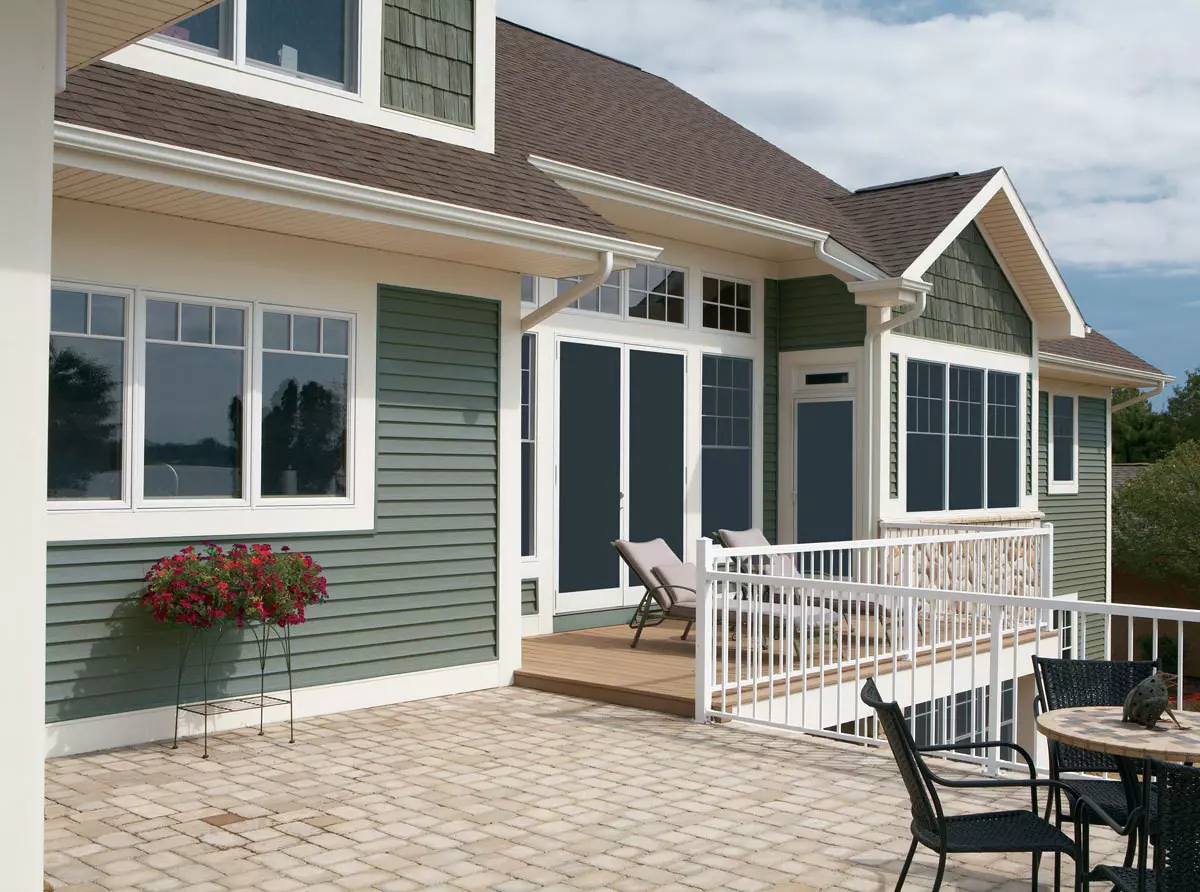
The truth is that there's no single timeline; it actually depends on the material, the installation, and what your siding has been through. What's more useful than a calendar is knowing what to look for. Here are some of the most common warning signs that it’s time to replace your home’s siding.
Cracking, warping, or loose panels
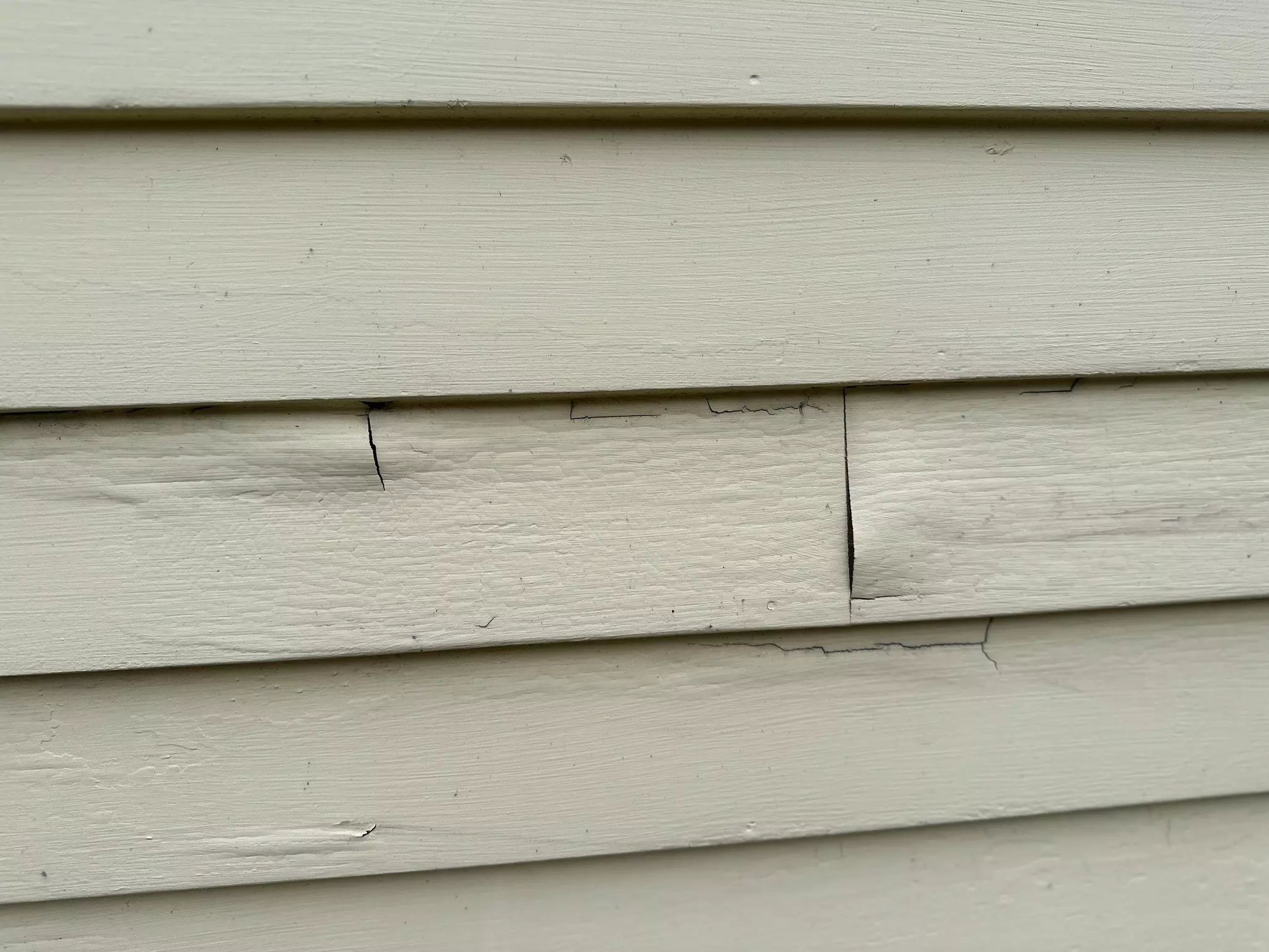
Visible damage is one of the clearest signs your siding needs an upgrade or needs to be replaced. Cracks and warping often happen after years of exposure to heat and weather. Loose panels can allow moisture to seep beneath them, increasing the risk of structural damage. If you're seeing any of these on more than a section or two, it's probably time to get a professional opinion rather than patching and hoping.
Fading or chalking
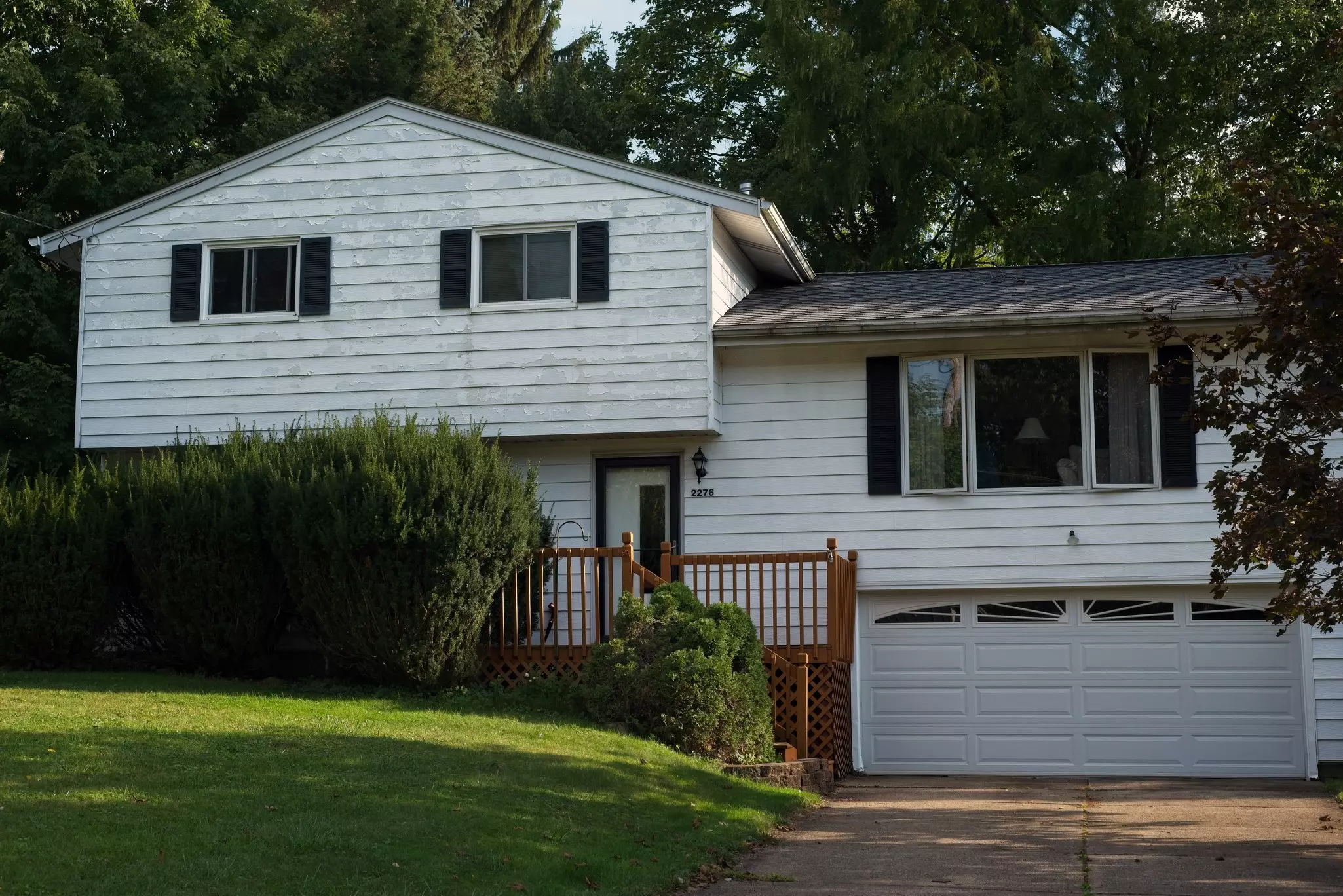
If your vinyl siding looks faded or leaves a chalky residue when touched, it’s a sign that the material is breaking down from UV exposure. While fading may seem cosmetic, it can also tell prospective buyers, guests, or passersby that your siding is almost at the end of its lifespan – and, more importantly, that it’s no longer protecting your home from the elements or working energy efficiently.
Moisture or mold issues
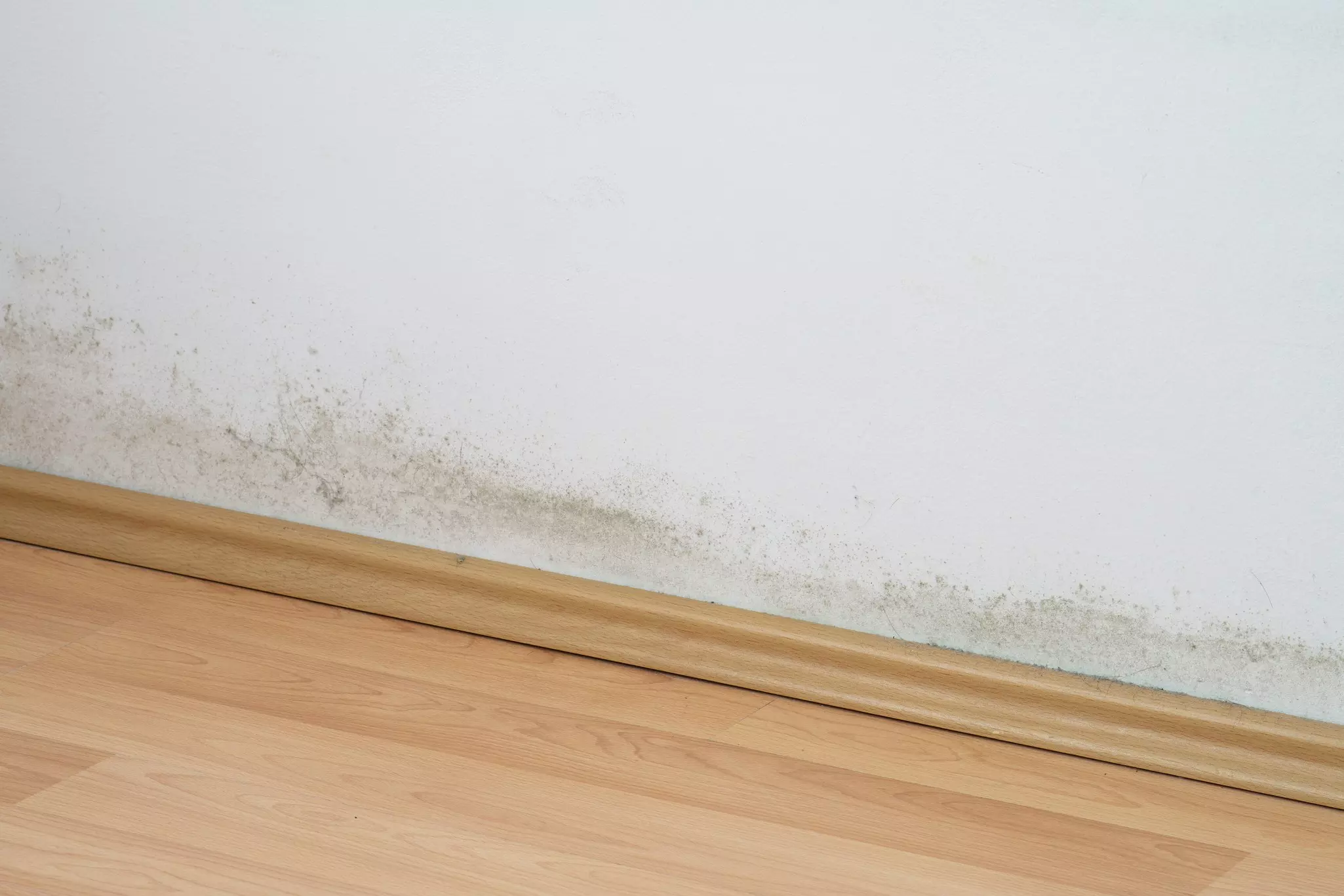
Water is one of your home’s biggest threats. If you notice mold, mildew, or water stains inside your home, your siding may no longer be doing its job. Damaged siding can allow moisture to seep into walls quietly and gradually – and by the time it shows up indoors, it's usually been building for a while.
Higher energy bills
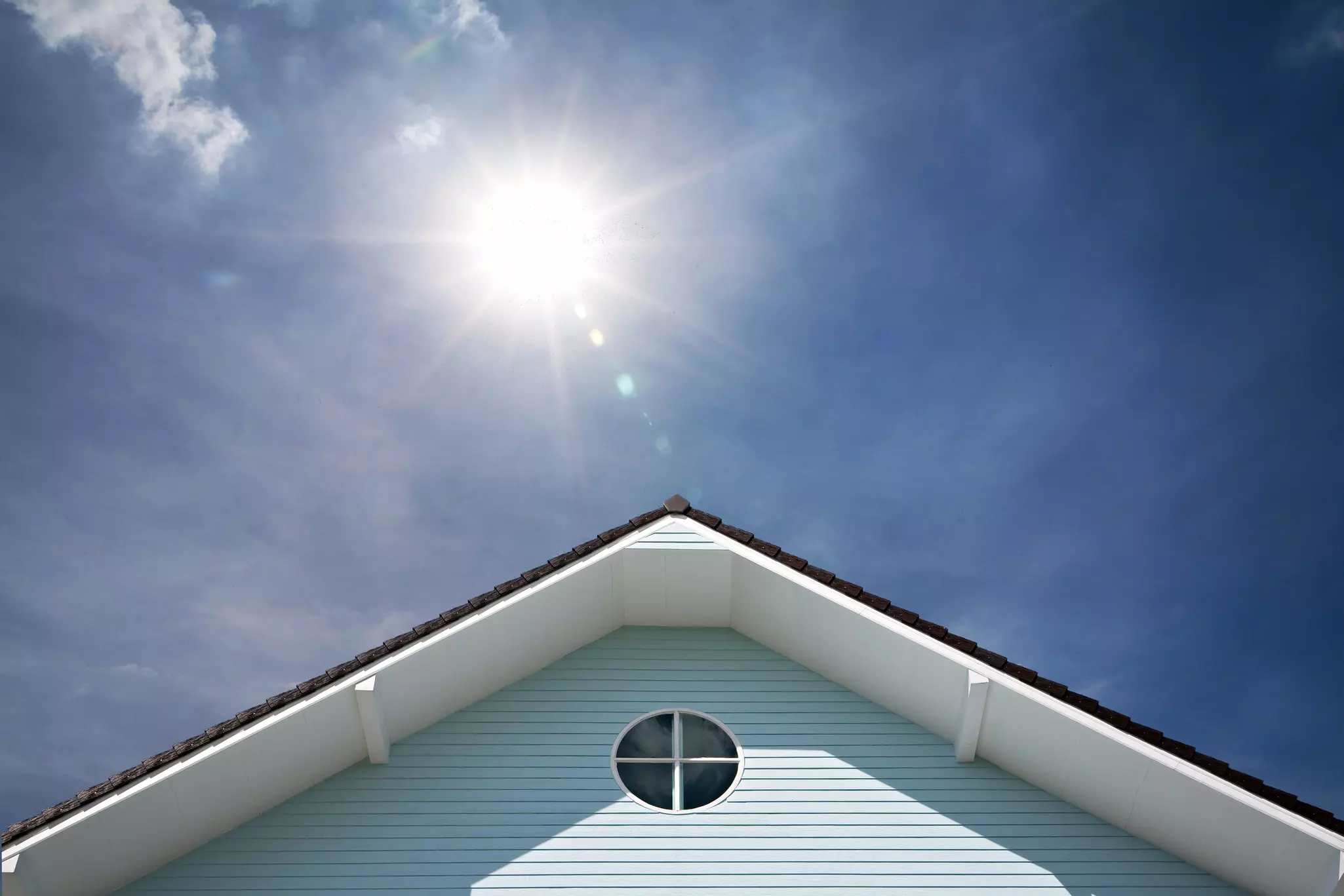
If your heating and cooling costs are rising without an obvious or alternative explanation, your aging siding may not be insulating your home effectively. Gaps, cracks, or aging materials can allow air to escape, forcing your HVAC system to work harder to heat and cool your home. Upgrading to insulated vinyl siding can help close those gaps and improve year-round energy efficiency.
Interior wall damage
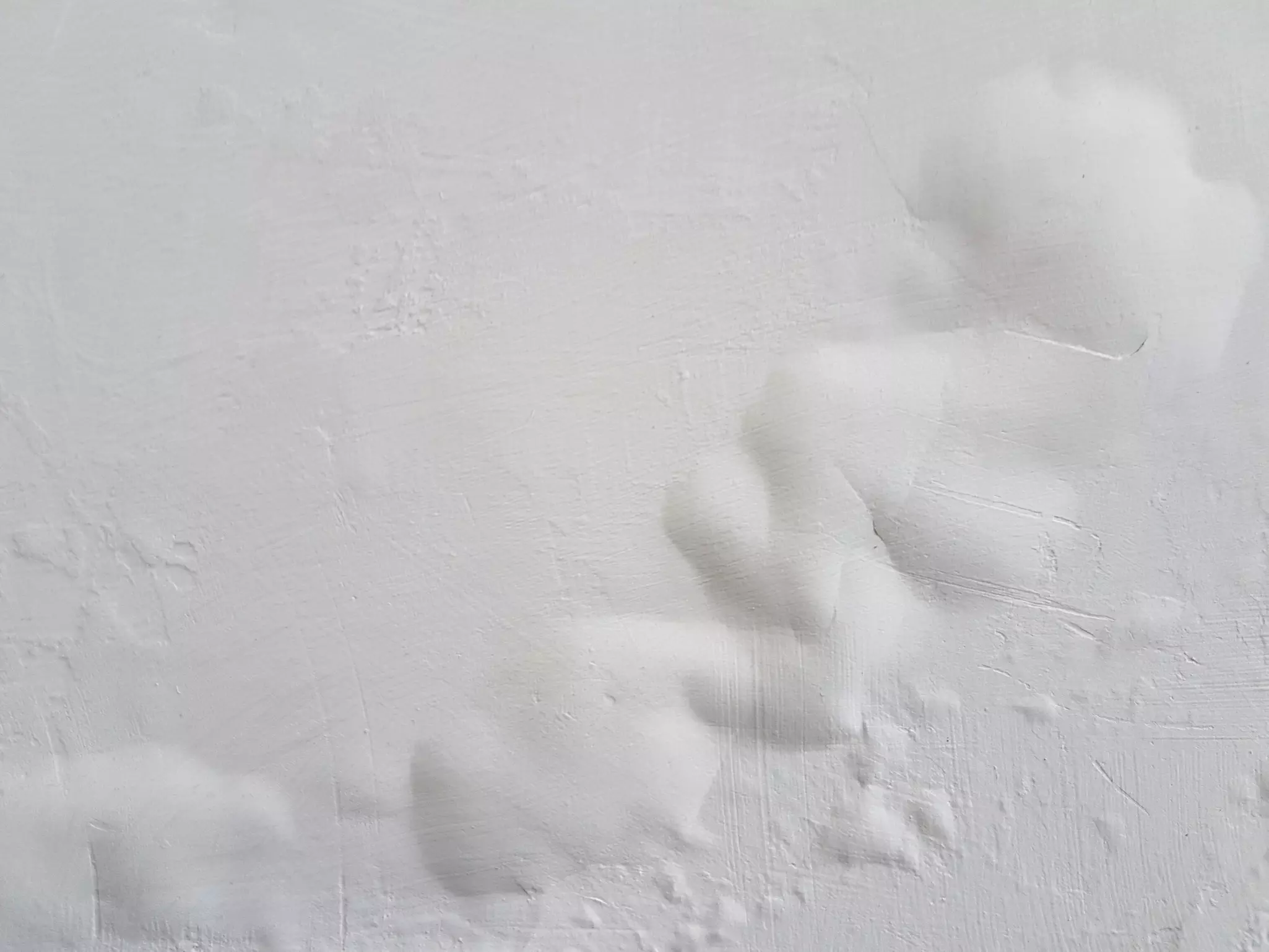
Peeling paint, bubbling drywall, or unexplained stains inside your home can be linked to failing siding. These issues often indicate moisture intrusion, which can lead to long-term damage if not addressed.
Why small issues shouldn't be ignored
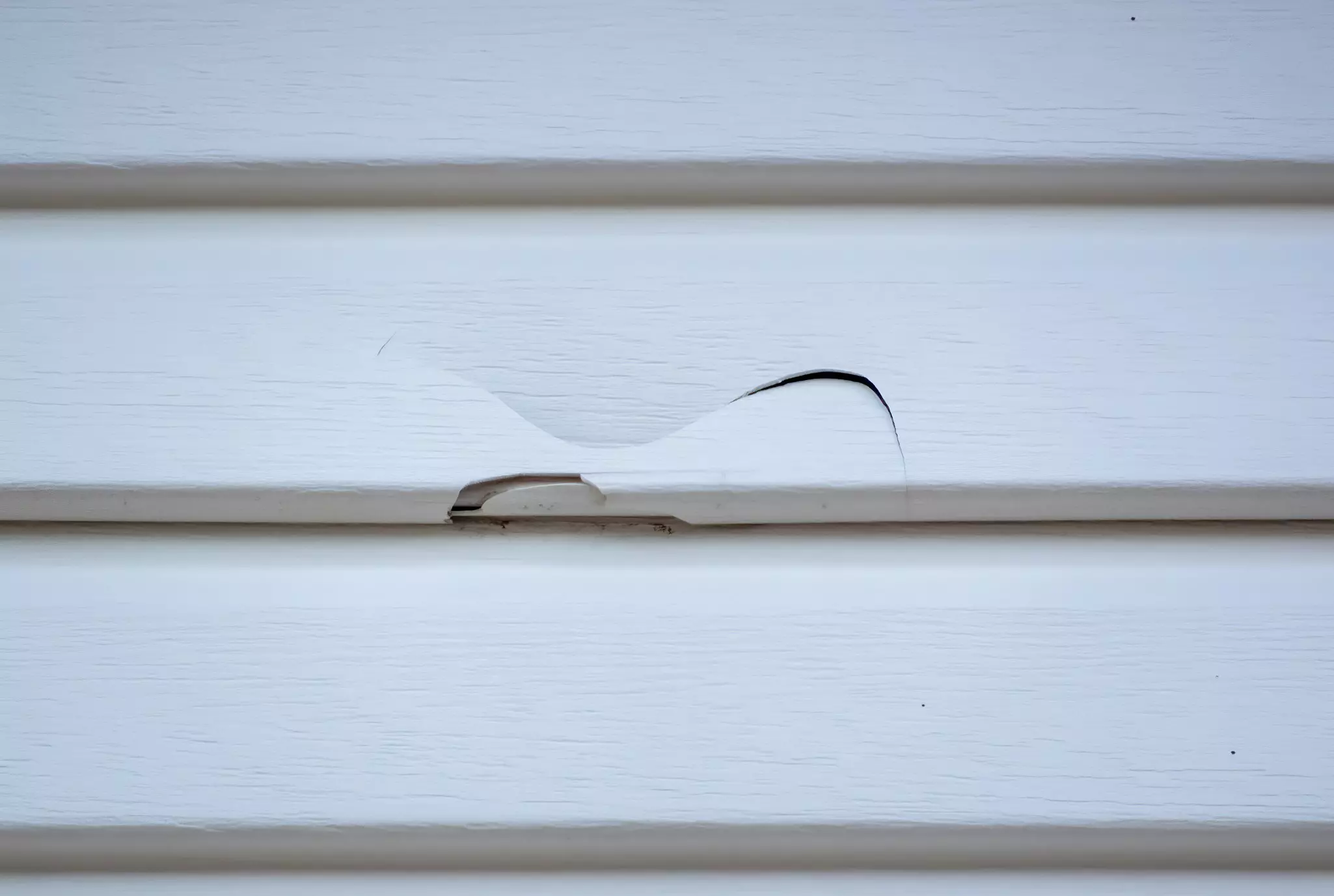
It’s easy to overlook minor siding damage, especially if it doesn’t seem urgent. But even small issues can escalate quickly when your home’s exterior is exposed to the elements day in and day out.
A loose panel, for example, may not seem like a big deal at first. But it can allow wind-driven rain to get underneath your siding, leading to hidden moisture buildup. Over time, that moisture can cause mold growth, rot, and even damage to the structure beneath your siding.
The same goes for small cracks or gaps. These openings can expand with temperature changes, making your siding less effective at protecting your home. In colder months, they can let warm air escape. In warmer months, they can allow heat and humidity to get inside, which can put extra strain on your HVAC system.
What starts as a cosmetic issue can quickly turn into:
- Water infiltration behind walls
- Mold or mildew growth
- Higher energy bills due to poor insulation
- Interior damage like peeling paint or warped drywall
Addressing these problems early can help extend the life of your siding and prevent more expensive repairs. In some cases, minor fixes may be enough. In others, they may be a sign that it’s time to start planning for a full replacement.
Choosing the right siding option for your home
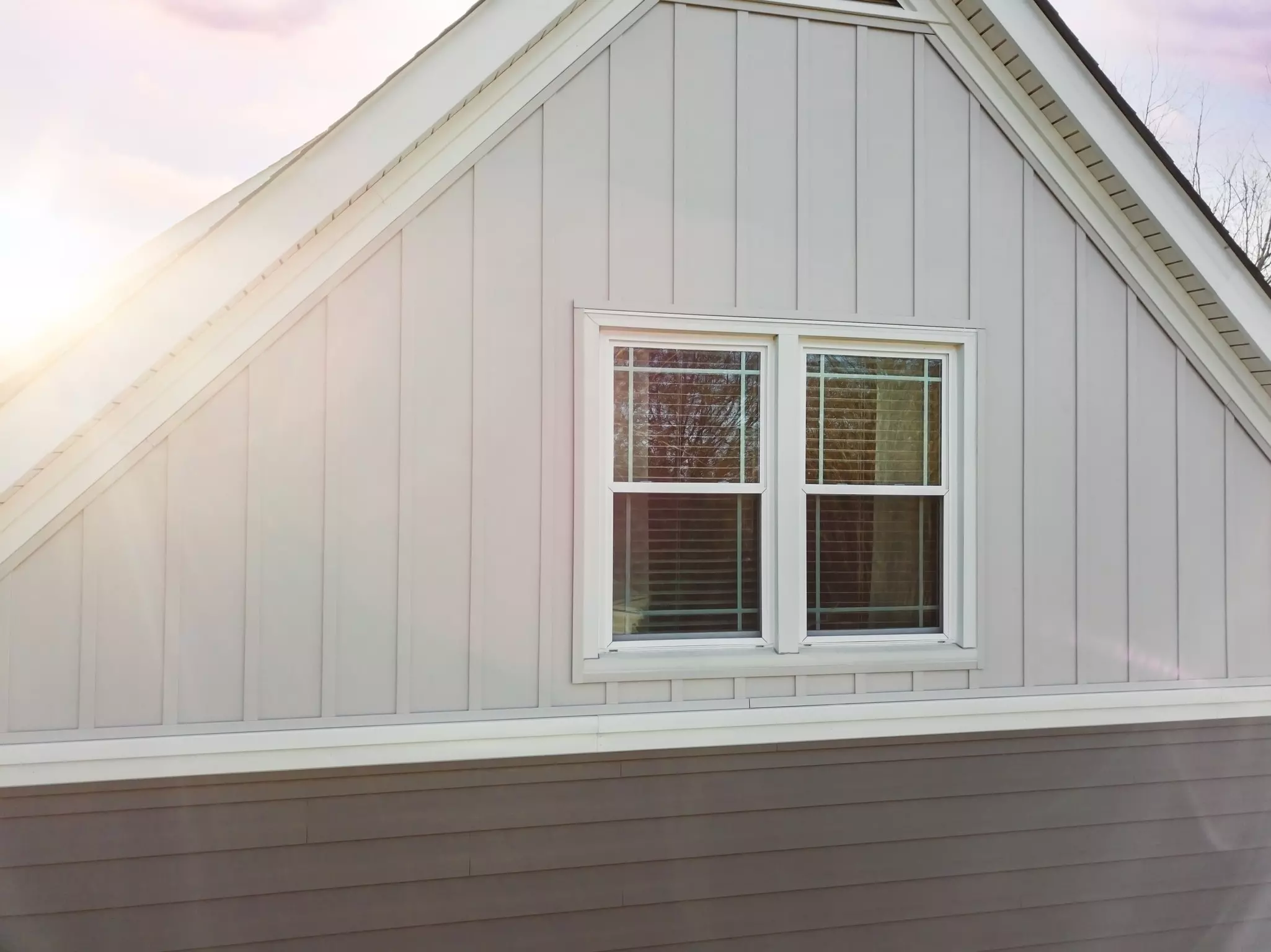
When it’s time to replace your siding, the right material can impact both performance and long-term value. There are many differences between vinyl and traditional siding, and homeowners have several options, each suited to different budgets, climates, and maintenance preferences.
Fortunately, smart siding replacement can improve your home’s appearance and also deliver a strong return on investment. Many homeowners recoup about 74% to 86% of the cost of vinyl siding replacement at resale, making it one of the best home upgrades you can get.
Vinyl siding remains a popular choice thanks to its affordability, durability, and low maintenance. It resists moisture, doesn’t require painting, and performs well in many climates. Fiber cement siding is another common option, known for its strength and resistance to weather, pests, and fire, though it often comes with higher upfront costs. Other materials, like wood siding, offer a classic look but typically require more upkeep over time.
When comparing siding options, consider factors like:
- Upfront costs vs. long-term durability
- Maintenance requirements
- Resistance to weather
- Impact on curb appeal and home value
The best choice depends on your priorities, whether that’s ease of maintenance, lifespan, or overall appearance.
Not sure if it's time to replace your siding?
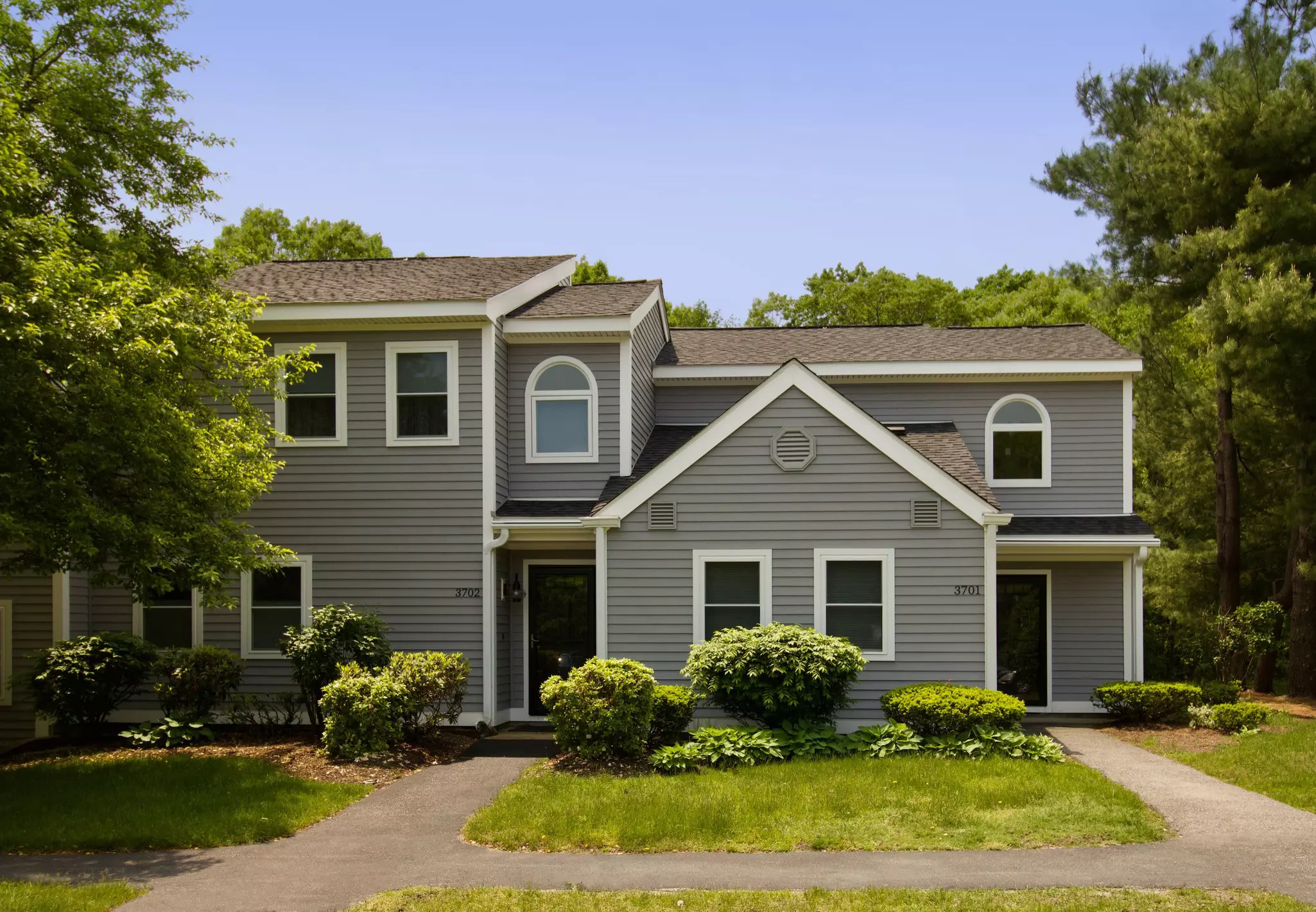
New siding doesn't just protect your home from the elements – it can also seriously improve energy efficiency, refresh your home's appearance, and add long-term value. For most homeowners, it's one of those upgrades that quietly pays for itself over time.
If you’re unsure when to replace the siding on your house, getting a professional opinion can help take the guesswork out of the decision. A siding inspection can uncover hidden issues that aren’t always visible from the outside, like moisture damage or problems beneath the surface. Plus, an experienced professional can evaluate your siding’s condition, explain what you’re seeing, and help you understand whether repairs will be enough – or if replacement is the better long-term solution. Window World of Asheville has premium vinyl siding, insulated vinyl siding, and composite cladding options engineered to withstand decades of weather while keeping homes more energy efficient.
Ready to find out where your siding stands? Window World of Asheville offers free in-home consultations to help you understand your options and make a decision that's right for your home. Request your free quote to get started.