

 Back to Blogs
Picking Garage Door Materials: A Buyer’s Guide
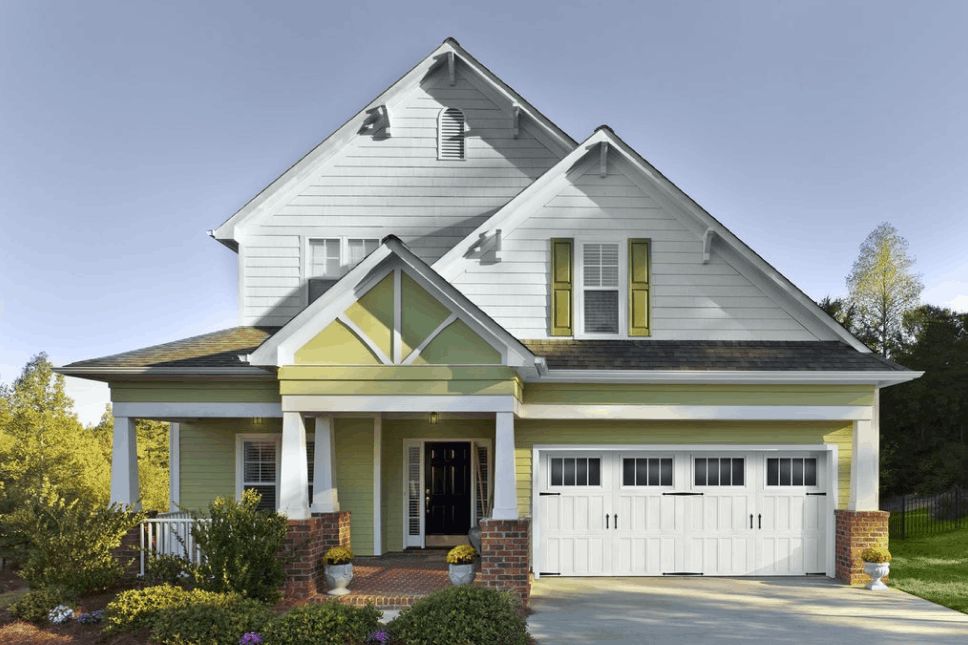
Your garage door is one of the largest moving features on your home, not to mention one of the most visible. It plays a major role in your home's curb appeal, energy efficiency, and even your daily convenience. Whether you're replacing an old door or upgrading for better performance, the material you choose makes all the difference.
From classic wood to modern steel, garage door materials bring their own distinct benefits and considerations. Some offer low maintenance and durability, while others provide natural beauty or superior insulation. And with Asheville's humid summers and cool mountain winters, choosing the right material means finding one that can handle the local climate while complementing your home's style.
At Window World of Asheville, we've helped countless homeowners find replacement garage doors that balance beauty, performance, and value. Let's explore how to choose a garage door that fits your home and budget.
What to Consider When Choosing a Garage Door
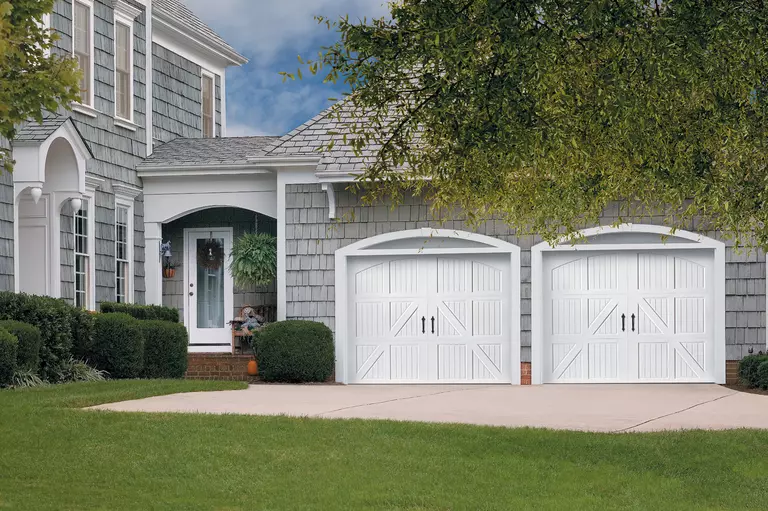
Before you start comparing materials, it helps to know what factors matter most for your specific situation. A garage door is a functional investment that should serve your home well for years to come and make it look excellent from the curb. Here's what to keep in mind:
- Your home's architectural style. The right garage door should complement your home's exterior. Traditional homes often pair well with carriage-house or raised-panel designs, while modern builds might call for clean, contemporary lines. Material choice affects which styles are available, so think about the overall aesthetic you're aiming for.
- Climate and weather resistance. Asheville's weather keeps things interesting, from humid summer days to chilly winter nights and everything in between. Your garage door needs to handle moisture, temperature swings, and occasional storms without warping, rusting, or losing its finish. Some materials naturally resist these challenges better than others.
- Maintenance requirements. How much time and effort are you willing to spend on upkeep? Some garage door materials require regular painting or sealing, while others stay looking fresh with just an occasional rinse. If low maintenance is a priority, certain materials will make your life easier.
- Budget and long-term value. Upfront cost matters, but so does lifespan. A less expensive door that needs frequent repairs or replacement may end up costing more in the long run than a durable, higher-quality option. Factor in energy savings, too – insulated doors can help reduce heating and cooling costs if your garage is attached to your home.
- Insulation and energy efficiency. Speaking of insulation, this is a big one for attached garages. An insulated garage door helps maintain consistent temperatures, reduces strain on your HVAC system, and even dampens outside noise. The R-value of your door (its thermal resistance) plays a key role in how efficiently it performs, which we'll dive into more below.
Comparing Garage Door Materials: Types and Performance

Now that you know what to consider, let's look at the most common garage door materials and how they stack up.
Steel garage doors
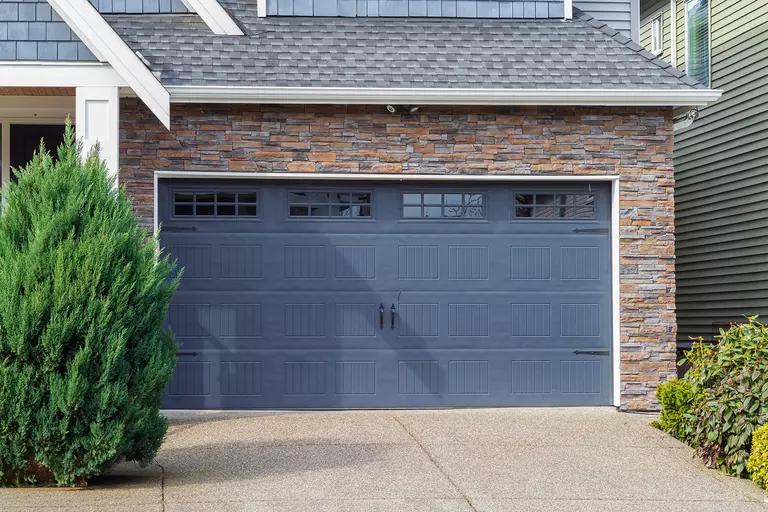
Steel is a popular choice for several good reasons. It's the most common material for residential garage doors, and it delivers solid performance at a price point that works for many homeowners.
Steel garage doors are durable, low-maintenance, and resistant to rust when they're properly coated or galvanized. Plus, they come in a wide range of styles, from traditional raised panels to sleek, modern designs, so they're versatile enough to fit almost any home. And if you want extra energy efficiency, insulated steel doors are readily available and perform exceptionally well.
The main downside? Steel can dent if something hits it hard enough – think basketballs, bikes, or hail. But for most families, the combination of affordability, strength, and minimal upkeep makes steel the best all-around choice.
Aluminum garage doors
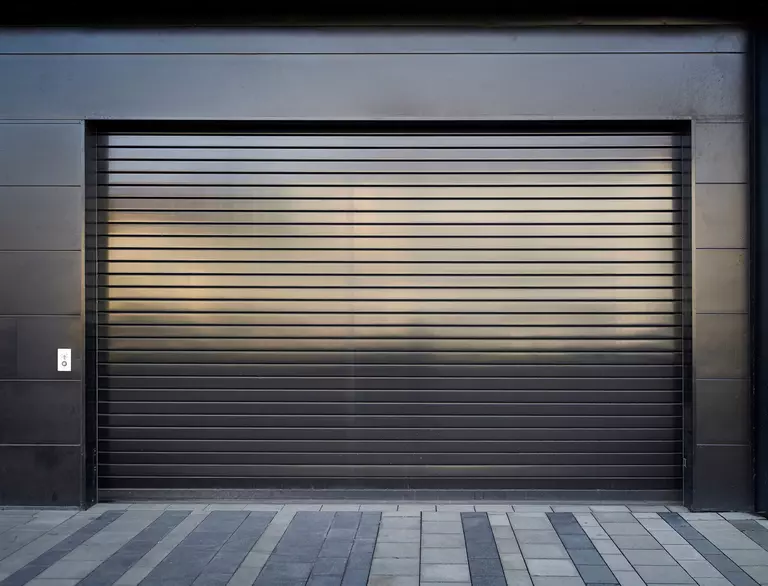
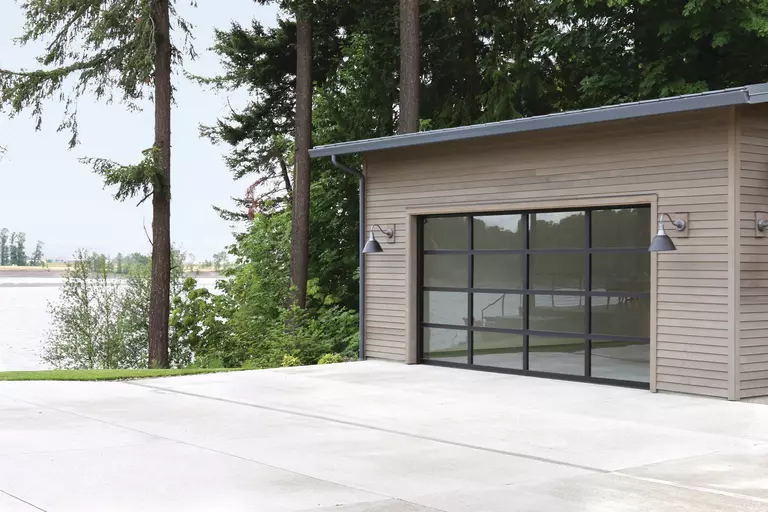
If you love the look of a contemporary home or need something lightweight, aluminum might be your material. It's naturally resistant to rust and corrosion, which makes it ideal for Asheville's humid climate.
Aluminum garage doors often feature large glass panels that let in natural light, giving your garage a bright, modern feel. They're also lighter than steel, which can mean less strain on your door opener over time.
However, aluminum isn't as strong as steel, so it's more prone to denting. And without added insulation, aluminum doors don't offer much in the way of energy efficiency. But if you're drawn to a sleek, minimalist aesthetic and you don't mind adding insulation separately, aluminum can be a great fit.
Wood garage doors
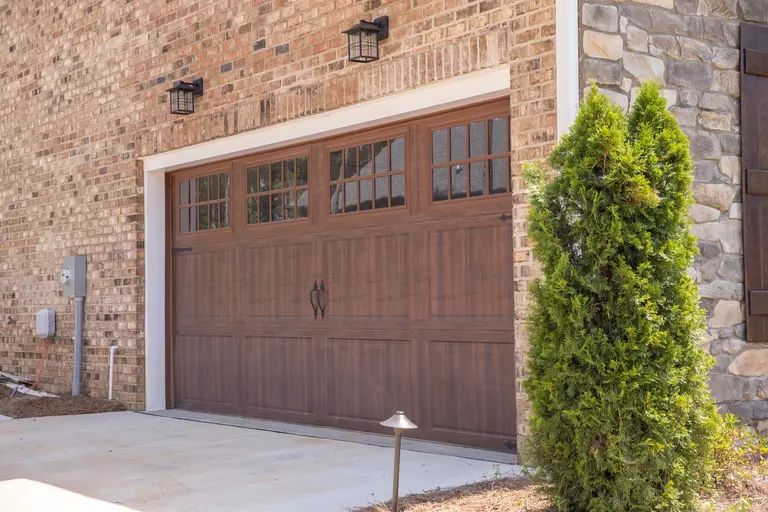
There's something timeless about the natural beauty of real wood. Wood garage doors bring warmth, character, and a custom, handcrafted look that's hard to match with other materials.
Wood is naturally insulating, and it can be stained or painted to suit your exact preferences. If you want a one-of-a-kind garage door that makes a statement, wood is tough to beat.
But here's the trade-off: Wood requires ongoing maintenance. You'll need to repaint or reseal it every few years to protect against moisture, warping, and rot. In Asheville's humidity, that upkeep becomes even more important. Wood is also vulnerable to pests like termites and can crack or swell with temperature changes.
For homeowners who prioritize authentic aesthetics and don't mind the extra care, a wood door can be worth it. Just be prepared for the long-term commitment.
Understanding Garage Door Insulation Materials
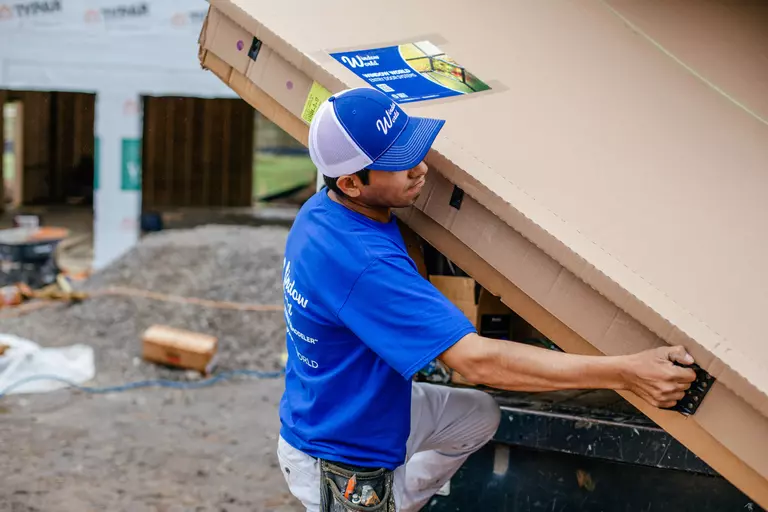
Choosing the right material for your garage door is only part of the equation. If your garage is attached to your home, insulation should be high on your priority list.
Polystyrene insulation
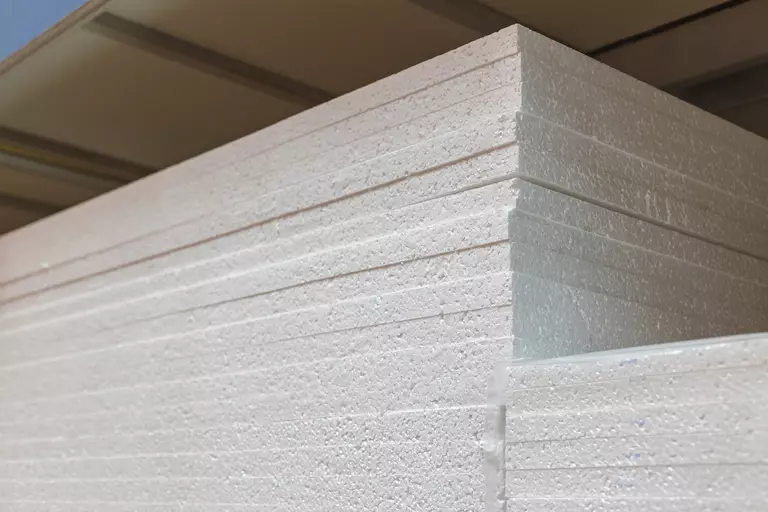
Polystyrene is a rigid foam panel that's cut to fit between the door's panels. It offers moderate insulation, typically with an R-value between R-6 and R-9.
This type of insulation is lightweight and budget friendly, making it a good option for homeowners who want some thermal protection without paying for premium performance. It's a solid middle-ground choice for many applications.
Polyurethane insulation
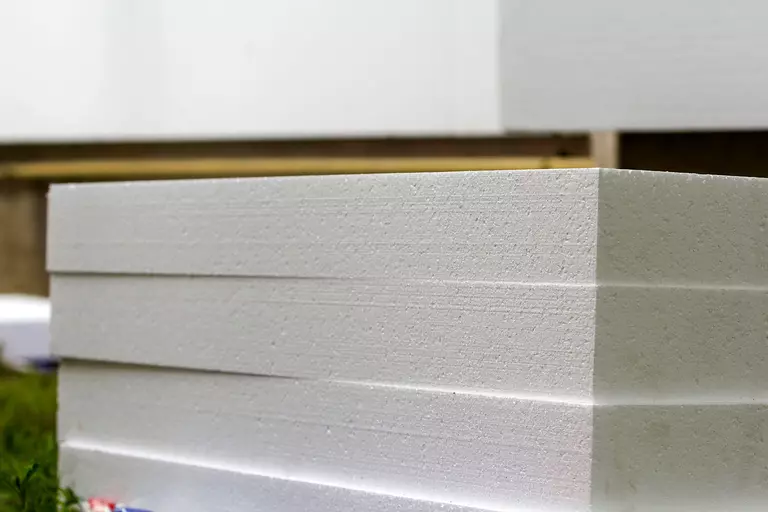
Polyurethane is the premium option. It's a foam that's injected into the door and expands to fill the entire cavity, bonding to the door's interior and exterior panels. This creates a more rigid, durable structure with higher thermal resistance, usually between R-10 and R-18.
Because polyurethane fills every gap, it offers better insulation than polystyrene and adds extra strength to the door. It's quieter, more energy efficient, and built to last. If your garage is heated, air-conditioned, or used as a workspace, polyurethane insulation is the way to go.
Why insulation matters
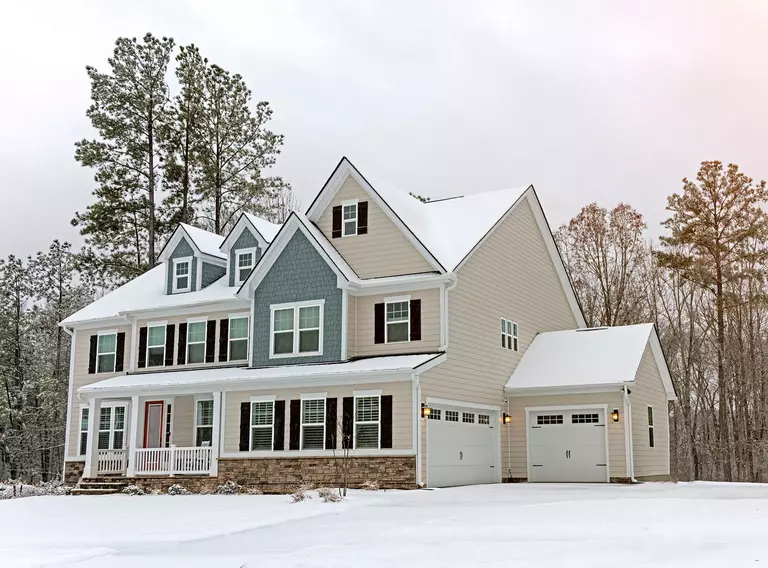
Simply put, an insulated garage door improves energy efficiency by reducing the amount of heat that flows in or out. Not only does it keep your garage more comfortable, but it also means your HVAC system doesn't have to work as hard to maintain temperatures in the rooms next to or above your garage.
Insulation also adds structural strength to your door, making it more rigid and durable. On top of that, it helps reduce outside noise – say, traffic, neighbors, or the sound of the door itself opening and closing.
Insulated vs. non-insulated doors
So when is insulation essential, and when can you skip it? If your garage is detached or used only for storage, a non-insulated door might be perfectly fine. But for attached garages – especially if you have living space above or beside it – insulation makes a noticeable difference in comfort and energy costs.
Even if you're not heating or cooling your garage directly, an insulated door helps create a buffer zone that protects your home's interior from temperature extremes. Over time, that can add up to real savings on your utility bills.
Choosing a Garage Door Style That Complements Your Home
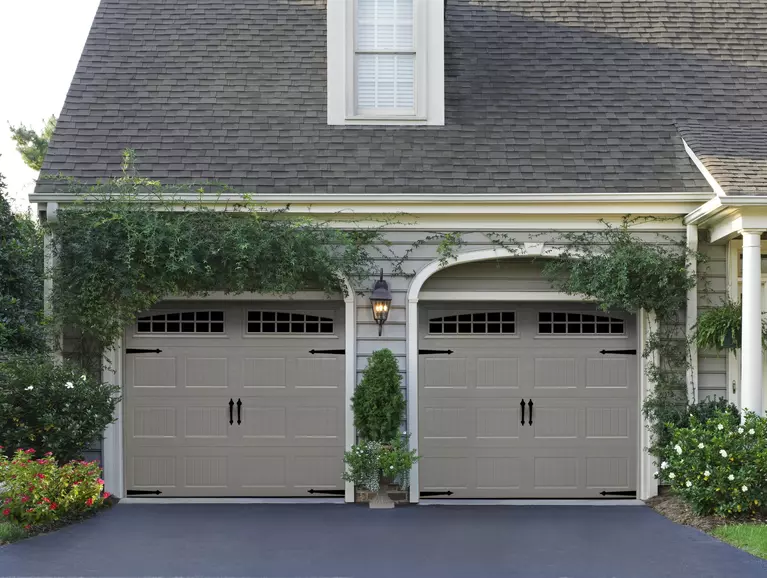
Once you've settled on a material, it's time to think about style. The design of your garage door should enhance your home's curb appeal and reflect its architectural character.
- Raised-panel doors are classic and versatile, featuring rectangular panels that add depth and dimension. They work well on traditional and transitional homes and are available in nearly every material.
- Flush-panel doors offer a clean, modern look with smooth, flat surfaces. They're ideal for contemporary homes and pair beautifully with minimalist exteriors.
- Carriage-house doors bring old-world charm with designs that mimic the look of swing-out barn doors, even though they operate like standard overhead doors. They're a popular choice for craftsman and farmhouse-style homes.
- Contemporary doors often feature sleek lines, mixed materials like metal and glass, and bold, architectural details. They make a statement and work best on modern builds.
Beyond the basic style, you can customize your door with windows, decorative hardware, and a range of colors or finishes. Just keep in mind that your material choice affects which styles and customization options are available. Steel and aluminum offer the widest variety, while wood and composite tend to lean toward more traditional or upscale designs.
The key is finding a balance between style and function in a door that looks great and performs even better.
How Window World of Asheville Can Help You Choose

Choosing the right garage door material, insulation, and style can feel overwhelming, but you don't have to figure it out alone.
We offer Wayne Dalton garage doors at Window World of Asheville, a trusted brand known for durability, energy efficiency, and beautiful design. Whether you're drawn to the affordability of steel, the modern look of aluminum, or the upscale appeal of composite, we've got options to suit every preference.
Just as important as the door itself is the installation. A professionally installed garage door operates smoothly, seals properly, and lasts longer. Our experienced team handles every detail with care, ensuring your new door is installed correctly and backed by trusted warranties.
Ready to upgrade your garage door? Contact Window World of Asheville today for a free, no-obligation quote. Our team is here to help you explore your options, answer your questions, and find the perfect garage door for your home and lifestyle.